The first words in the verses
Moosa Mansour
About the book
“O People of the Holy Quran, I dedicate to you the first words in the verses of the Qur’an in order to improve the speech and the writing.
Texts are translated automatically from Arabic. Original files and media retain their original language.
Arabic books on a wide range of subjects, with download links to their original sources
6,145
Books
108
Categories
2,190
Authors
6,145
Download links
Showing 25–48 of 259 books
Clear search and filters
Moosa Mansour
“O People of the Holy Quran, I dedicate to you the first words in the verses of the Qur’an in order to improve the speech and the writing.

Mohammed bin Abdulrahman bin Saleh Alshaya

Mohammed bin Saleh bin Abdullah Al Fozan
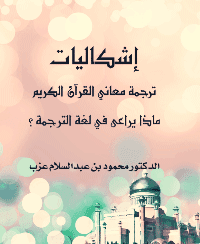
Which is the first translation of the Qur'an or the interpretation of the scholars? Which is the first translation of the meanings of the Qur'an or the interpretation of the scholars? The discussion dealt with the permissibility of the translation of the Qur'an, with an indication that the translation of an interpretation written in Arabic is the first language to be translated directly, and that this interpretation is not called (the translation of the Qur'an), and that it is not necessary to translate everything; there may be things that cannot be translated.

Sheikh Anas Mahra
The Equivalence of Human Beings with the Fourteen Readings is a book by Ahmed bin Muhammad, nicknamed Shahabuddeen, the famous collector of al-Banna in this book.

Mahmoud bin Abdul Salam Azab
A brief search that answers the problems that the translator finds when translating the meanings of the Holy Quran, and shows the specificity of the language of the Quran, and that the language of translation depends on the language of the receiving audience, and then mentioned the most important things that should be taken into account in the language of translation.

Amer Al - Zanati Al Jabri
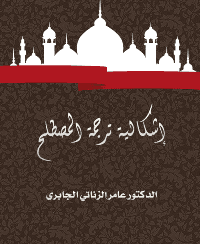
The problem of translating the term is one of the most important obstacles for the translator, as the term includes cultural shipments that stand in the background of the original text and surround it. The translator must then translate not only the different elements of the toxicological framework, but also the place of this element in the whole community, considering that the perception or concept is the same, but the term differs from one people to another.

Muslim Abdulaziz Al - Zamil
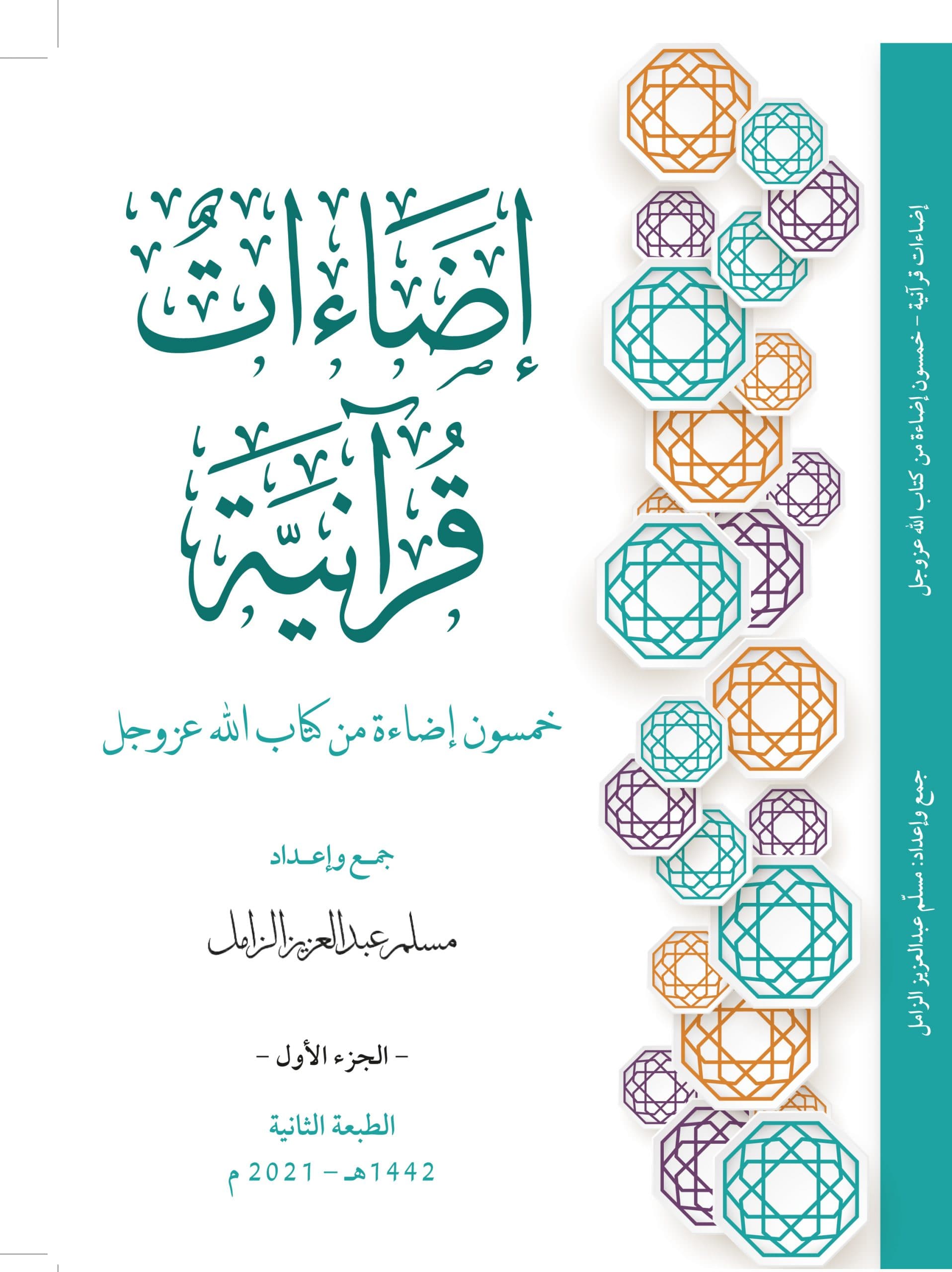
Dear reader, I am pleased to share with you the blessings of God’s Holy Word.

Mohammed Talha Bilal Minyar
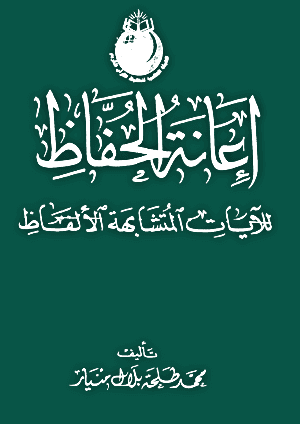
The Book of Revelation is the book of Revelation, the book of Revelation.

Mohammed Fawzan Al - Omar
Reading the Holy Qur'anReading conditions of the Holy Qur'an, which are seven in all: sincerity to Allah, receiving and healing from the mouths of master sheikhs, jurisprudence in religion, knowledge of the Qur'an in Arabic, drawing the Qur'an and controlling it, and stopping, starting and counting, and keeping the Qur'an a comprehensive book of what it recites origins and brushes

Adel Nassar

Abu Abdullah Al Hussein bin Ahmed
Thirty chapters of the Holy Quran, a book written by the Imam of Language and Literature, Abu Abdullah al-Hussayn bin Ahmed, known as Ibn Khalawih al-Ghashmi, collected benefits

Abdullah bin Mustafa Numsuk
Complex Errors in Thai Translations of the Meanings of the Holy Quran: A research that included a brief account of the movement of Thai translation of the meanings of the Quran, and then among some models of doctrinal errors in some translations, with an analysis of these errors. It is a research presented in the translation seminar of the meanings of the Holy Quran calendar of the past and planning for the future in 1422.

Elmer Rafael Kouliev

Mahmoud bin Ismail Saleh
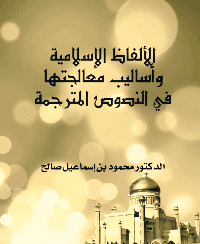
Islamic words and methods of processing them in translated texts: These papers answer questions that answer the minds of translators of Islamic texts; such as: What are Islamic terms? And how do translators of Islamic religious texts deal with them in other languages?

Mr. F. Abdul Rahim
Information on the origins of the media contained in the stories of the Prophets peace be upon them

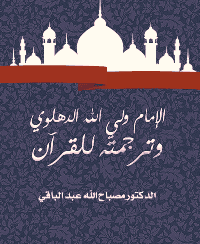
Masbahallah Abdul Baqi

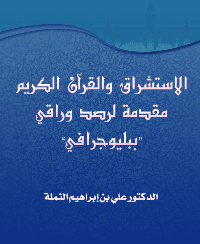
Ali Ibrahim Al - Antla

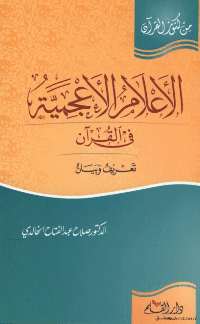
Salah Abdel Fattah Al Khalidi
Is there anything in the Qur’an that is authentically Arabic or does it contain words from other languages, such as the Qur’an when it is mentioned in its verses?

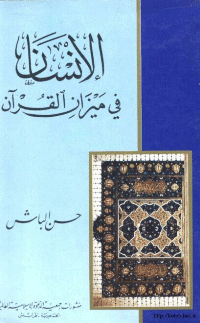
Hassan Al - Bash
Humanity in the Perspective of the Qur’an: God’s creation of the human being is a miracle, just like the creation of the heavens, the earth and all that lies between them. He did not create a human as merely an intellect and say, “Think and reflect; travel the land and sea, climb the mountains and descend to the plains.” Nor did He create a luminous spirit and say, “Eat and drink,” without a mouth, teeth or stomach. He did not create only a soul and say, “Abstain from pleasures and feel no desire,” or only a body and say, “Love, hate, think and worship.” God’s creation of the human being is a miracle because it forms an integrated whole whose parts interact to make the person who they are.

Badreddine Zarkashi
The book of proof in the sciences of the Qur'an was written by Imam Zarkashi Abu Abdullah Badr al-Din Muhammad bin Bahader bin Abdullah al-Zarkashi al-Masri, was born in Cairo in 745 AH and died in 794 AH. The author collected the sciences of the Qur'an, which were dispersed in independent works, as reasons for descent, and knowledge of events between verses, and readings.

Murshid Razouk
Today’s visitors
—
Online now
—
Today follows Morocco’s time zone. Online now means visitors active within the last two minutes. Counts are approximate; each browser is counted once per day.
Loading visitors by country…
Countries are estimated. We do not display visitors’ IP addresses or precise locations.