
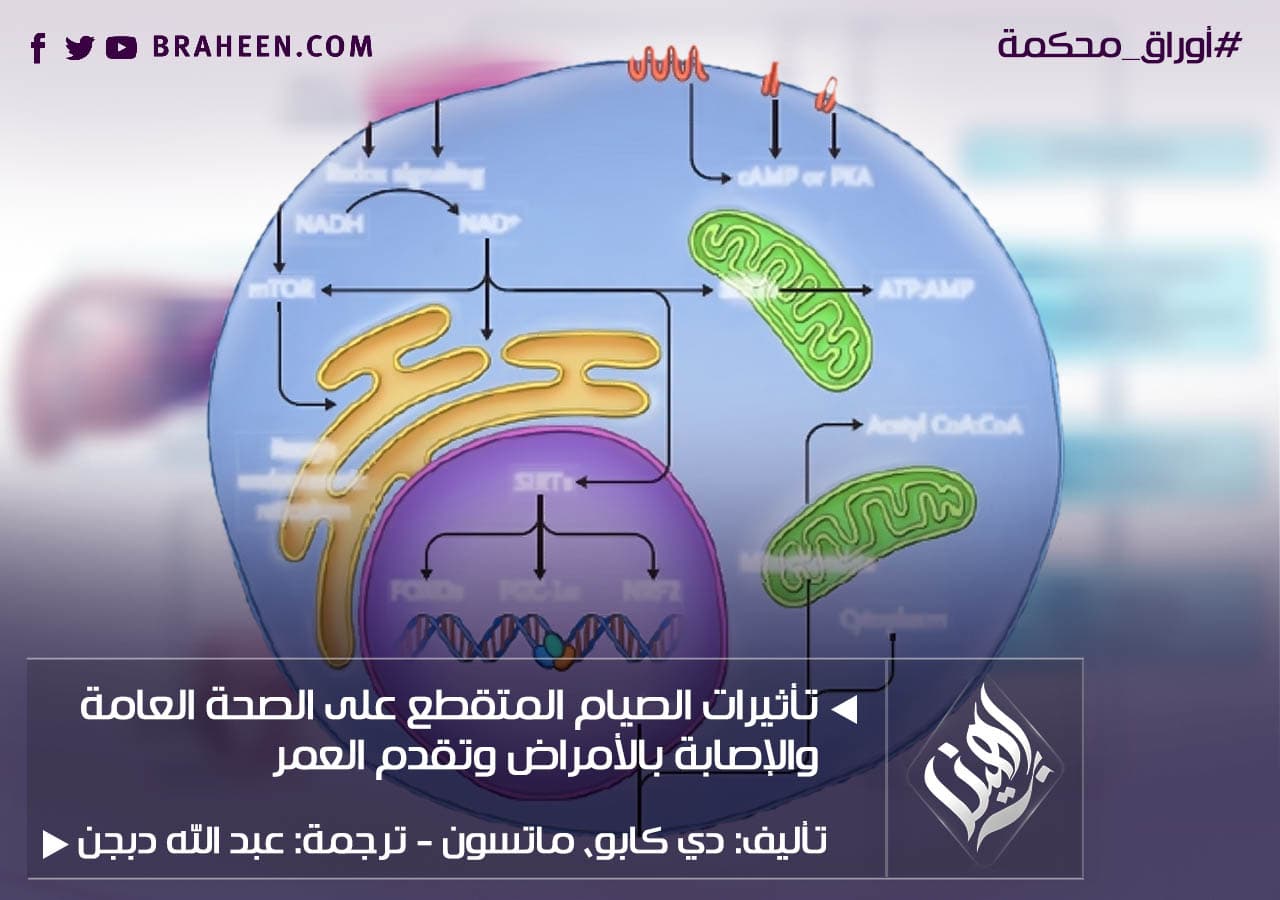
Summary: Evidence accumulates that eating in a 6-hour period and fasting for 18 hours can lead to a metabolic shift from glucose-based energy to ketone-based energy, with increased stress resistance, and increased longevity...
Effects of intermittent fasting on public health, morbidity and ageing
Summary:
Evidence is accumulating that eating in a 6-hour period and fasting for 18 hours can lead to a metabolic shift from glucose-based energy to ketone-based energy, with increased stress resistance, increased longevity, and a lower incidence of diseases, including cancer and obesity.
According to Weindroch and Sohal Sohal in their 1997 journal article, limiting food availability over a lifetime (calorie restriction) has notable effects on aging and the shelf life of animals.1 The authors suggested that the health benefits of calorie restriction were caused by an unintended reduction in the production of harmful free oxygen radicals. It was not generally recognized at the time that because the rodents that restrict their calories consumed their entire diet after a few hours. Hundreds of studies have since been conducted on animals and dozens of clinical studies of controlled intermittent fasting regimens in which a “metabolic” metabolic transition from liver-derived glucose to fat cell-derived ketones occurs daily or several days each week. Although the magnitude of the effect of intermittent fasting on longevity is variable (affected by sex, diet, and genetic factors), studies on mice and non-human primates show consistent effects of calorie restriction in the healthy range (see Complementary studies).
Animal and human studies have shown that many of the health benefits of intermittent fasting are not just the result of decreased free radical production or weight loss. 2-5 Intermittent fasting promotes adaptive cell responses that are conserved and integrated between and within organs in a way that improves glucose regulation, increases stress resistance, and suppresses inflammation. During fasting, cells activate pathways that promote intrinsic defenses against oxidative and metabolic stress and strengthens defenses that remove or repair molecules.
Preclinical studies consistently show the strong disease-modifying efficacy of intermittent fasting in animal models on a wide range of chronic disorders, including obesity, diabetes, cardiovascular disease, cancers, and neurodegenerative brain diseases. 3,7-10 Periodic flipping of the metabolic key not only provides the ketones necessary for cell nutrition during fasting but also elicits highly coordinated systemic and cellular responses that transition to nutritional status to enhance mental and physical functioning as well.
Here we will review clinical studies on animals and humans that have shown how intermittent fasting affects overall health indicators and slows or reverses aging and disease processes. First, we will describe the most common intermittent fasting systems studied and the metabolic and cellular responses to intermittent fasting. Then we present and discuss the results of preclinical studies and modern clinical studies that have tested intermittent fasting systems in such healthy people, and in patients with metabolic disorders (obesity, insulin resistance).
Intermittent fasting and metabolic switching
Glucose and fatty acids are the main sources of energy for cells. Glucose is used after meals for energy, and fat is stored in fatty tissue as triglycerides. Triglycerides are broken down during fasting periods into fatty acids and glycerin to be used as energy. The liver converts fatty acids into ketone compounds, providing during fasting a major source of energy for many tissues and especially for the brain (Figure 2). Blood levels of ketogenic compounds are low, rising in humans within 8 to 12 hours of starting fasting, reaching levels of 0.2 to 0.5 mMol, continuing within 24 hours, and later increasing to 1 to 2 mM over 48 hours. 14,15 A rise in plasma ketone levels occurs in rodents within 4 to 8 hours of the onset of fasting, reaching mmol levels within 24 hours. 16 The timing of this response gives some indication of appropriate fasting periods in intermittent fasting regimens. 2,3
The three most widely studied intermittent fasting regimens in humans are daily fasting and ketogenic acid-consumer efficiency. Intermittent fasting refers to ketogenic (two-day fasting each week) and time-restricted daily feeding. 11 diets that significantly reduce calorie intake in one or more days each week (e.g., a drop to 500 to 700 calories per day) lead to elevated levels of ketone compounds in those days. 17-20 Metabolic transitions result from using glucose as a source.
Ketone compounds are not just fuel used during fasting periods. They are powerful signaling molecules with significant effects on cell and organ function. 21 Ketone bodies regulate the expression and activity of many proteins and molecules known to affect health and aging. These activator receptors include peroxisome proliferator-activated receptor 1 (PGC-1), fibroblast growth factor 21,22,23 nucleotide adenine dinucleotide (NAD), and serotonin. Sertuins, poly(adenosine diphosphate [ADP] - ribose) polymerase 1 (PARP1), and ADP ribose cyclase (CD38)25 By affecting these major cellular pathways, ketone compounds produced during fasting have profound effects on systemic metabolism. Ketogenic compounds also stimulate the expression of the brain-derived neurotrophic factor gene (Figure 2), with implications for brain health, psychiatric disorders, and neurodegenerative degeneration.
What are the benefits of intermittent fasting in terms of metabolic switching, and what are the benefits of weight loss? Numerous studies have indicated that many of the benefits of intermittent fasting are separate from its effects on weight loss. These include improvements in glucose regulation, blood pressure, and heart rate; effectiveness on endurance training, 26,27; and on abdominal fat loss27 (see Supplementary Section of Study S1).
Intermittent fasting and stress resistance
Unlike people today, our human ancestors did not consume three large regularly spaced meals in addition to snacks every day, and did not live a sedentary life. Rather, they were busy getting food in ecological niches where food sources are sparsely distributed. Over time, Homo sapiens underwent evolutionary changes that supported adaptation to such environments, including brain changes that allowed creativity, imagination, and linguistic and physical changes that enabled members of the species to travel great distances.
The research reviewed here, and discussed in more detail elsewhere, 11.12, shows that most, if not all, organ systems respond to intermittent fasting in ways that enable the organism to withstand or overcome the challenge and then restore balance. Repeated exposure to fasting periods results in permanent adaptive responses that confer resistance to subsequent challenges. Cells respond to intermittent fasting by engaging in a coordinated adaptive response to stress that leads to increased expression of antioxidant defenses, DNA repair, protein quality control, mitochondrial biogenesis and autophagy, and reduced inflammation (Figure 3). These adaptive responses to fasting and nutrition are maintained across vital classes. Cells throughout the bodies and brains of animals subjected to intermittent fasting systems show improved function, and strong resistance to a wide range of potentially harmful injuries, including those involving metabolic, oxidative and ionic stress, shocks and stress of proteotoxic endotoxins. 12 Intermittent fasting stimulates autophagy and metaphagia (mitochondrial autophagy) while inhibiting the synthesis pathway of mTOR protein (the mammalian target of the immunosuppressant rapamycin). These responses enable cells to remove oxidized damaged proteins and mitochondria and recycle undamaged molecular components while temporarily reducing overall protein synthesis to conserve molecular energy and resources (Figure 3). These pathways are not exploited or repressed in people who overeat and are inactive.12
Effects of intermittent fasting on health and ageing
Calorie restriction and intermittent fasting studies until recently focused on aging and human life span. After nearly a century of research on caloric restriction in animals, the general conclusion was that reducing food intake strongly increases life span.
In one of the oldest studies on intermittent fasting, Godric and his colleagues reported that the median lifespan of rats increased by up to 80% when required by a two-day interval-feeding regimen and the age of onset of their youth. But the magnitude of the effects of caloric restriction over health and life span varies and can be influenced by gender, strength, age and genetic factors. 7 Among the meta-analysis of data available from 1934 to 2012, only a median calorie restriction increased by 14 percent. 29,30 But the study used only one system of calorie restriction (restriction of 40%) and did not assess health indicators, causes of death, or underlying mechanisms. It found an inverse relationship between low adipose tissue ratio and life span29 suggesting that animals with a shorter life span that had greater adipose tissue reduction moved more quickly to starvation when exposed to such severe calorie restriction, while animals with an extended life span had a lower percentage of low fat.
The contradictory results of two prominent studies in monkeys challenged the relationship between extended health span and extended shelf life associated with calorie restriction. One study at the University of Wisconsin showed a positive effect of calorie restriction on both health and survival,31 while another study at the U.S. National Institute on Aging showed no significant reduction in mortality despite apparent improvements in overall health.32 Variations in daily calorie intake, onset of intervention, and diet and gender components,32
Intermittent fasting interventions in humans relieve obesity, insulin resistance, blood lipid disorder, hypertension, and inflammation. 33 Intermittent fasting seemed to confer more health benefits than could be solely attributed to reduced calorie intake. 16 healthy participants in one trial were put on a two-day fasting regimen for 22 days and lost 2.5% of their initial weight or 4% of their fat mass either way, with a 57% reduction in their daily fasting insulin levels. 34 and put on another two trials.
The physical and cognitive effects of intermittent fasting
Physical function in animals and humans improves with intermittent fasting. For example, although there is a similar body weight, mice placed on a 16-hour fasting regimen have better endurance for running than mice with unrestricted access to food. Both balance and coordination of movements in animals placed on a daily time-restricted feeding regimen or a 36-day fasting regimen are also improved. 35 Young people who fast daily lose fat while maintaining muscle mass during two months of resistance training.
Animal studies show that intermittent fasting enhances cognition in multiple areas, including spatial memory, associative memory, and working memory 37; both the two-day fasting system and the daily calorie restriction system reflect the adverse effects of obesity, diabetes, and neuroinflammation on spatial learning and memory (see section S4).
Verbal memory improved in older adults following a short-term regimen of caloric restriction in a clinical trial. 38 In a study involving adults who were overweight and had mild cognitive impairment, 12-month calorie restriction led to improvements in verbal memory, executive function, and general cognition. 39 As a recent large, multicenter clinical trial showed that a significant two-year-old’s cognition of daily calorie restriction led to significant improvements in working memory and fasting development. 40 We certainly need to do more studies
Clinical Applications
In this section we briefly review examples of the results of intermittent fasting studies in preclinical animal models of the disease, and in patients with various diseases. Additional published studies are presented in section S5.
Obesity and Diabetes
Intermittent nutrition improves the body's sensitivity to insulin in animal models, inhibits obesity caused by a high-fat diet, and relieves diabetic retinopathy. 41 Traditional residents of Okinawa typically maintain a diet of intermittent fasting and similarly have low rates of obesity and diabetes, as well as privilege them with very long lifespans. 42 Residents of Okinawa typically consume a low-calorie diet from energy-poor sources and sweet vegetables, especially from nutrient-rich sources. Signs of inflammation and oxidative stress. 4,20,33,43
A multicenter study showed that daily calorie restriction improved many of the participants' cardiometabolic risk factors in non-obese humans, but six short-term studies involving overweight or obese adults showed that intermittent fasting was as effective for weight loss as standard diets. 51 Two recent studies also showed that daily calorie restriction or intermittent fasting with a ratio of 4:3 (a 24-hour fasting regimen three times a week) had reversed insulin resistance in patients. control group.54
Cardiovascular Diseases
Intermittent fasting improves multiple indicators of cardiovascular health in animals and humans, including blood pressure and resting heart rate; high- and low-density lipoprotein levels (HDL and LDL), cholesterol, triglycerides, glucose, insulin, and insulin resistance. 41,43,47,55 Additionally, intermittent fasting has been shown to reduce the symptoms of systemic inflammation and oxidative stress associated with atherosclerosis. 17,27,56 46-50 Both Vardy and his colleagues reported that alternate-day fasting was effective for weight loss and heart protection in normal-weight and overweight adults.59 Improvements in cardiovascular health indicators usually become apparent within 2 to 4 weeks after alternate-day fasting begins and then dissipate over several weeks after resuming a normal diet.57
Cancer.
More than a century ago, Morishi and Ross described the beneficial effect of fasting and caloric restriction on tumors in animals. Since then, several animal studies have shown that daily caloric restriction or alternate fasting reduces the incidence of spontaneous tumors during normal aging in rodents inhibits the growth of many types of tumors while increasing their sensitivity to chemotherapy and radiotherapy. FOXO1 blurs the protective effects of intermittent fasting against induction of carcinogenicity while maintaining a lifetime-extending effect of 64.65 FOXO3 deletion maintains anti-cancer protection, but reduces the impact on longevity.66 Activation of these transcription factors and their subsequent targets by intermittent fasting may also provide protection against cancer and enhance resistance to stress in normal cells (Figure 1).
Clinical trials of intermittent fasting have been completed in patients with cancer or are underway. Most of the initial trials focused on compliance, side effects, and biomarker characterization. For example, the daily calorie restriction trial in men with prostate cancer showed excellent adherence (95%) and no adverse events. 67 Several case studies involving patients with glioblastoma suggest that intermittent fasting can inhibit tumor growth and prolong survival. 9,68 Ongoing trials listed on the U.S. Government's Clinical Commercial Trials website also focus. gov on intermittent fasting in patients with breast, ovarian, prostate, endometriosis, colorectal cancer, and glioblastoma (see Supplementary Table S1). Specific intermittent fasting regimens vary between studies, but all involve the imposition of intermittent fasting during chemotherapy. No studies have yet determined whether intermittent fasting affects cancer recurrence in humans.9
Neurodegenerative disorders
Epidemiological data suggest that excessive energy intake, especially in middle age, increases the risk of stroke, Alzheimer’s disease, and Parkinson’s disease.69 There is strong preclinical evidence that a day’s fasting can delay the onset and progression of disease processes in animal models of Alzheimer’s disease and Parkinson’s disease.5,12 Intermittent fasting also increases resistance to nervous stress across multiple mechanisms, including enhanced mitochondrial function, autophatic stimulation, and neurotrophic repair and anti-deficillative defense. 71 There is insufficient data from controlled trials of intermittent fasting in people at risk of or affected by neurodegenerative disorder. In the ideal scenario the intervention begins early in the disease process, and lasts long enough, to detect the effect of the intervention on the modification of the disease (for example, a year-long study).
Asthma Multiple Sclerosis and Arthritis
Weight loss reduces asthma symptoms in obese patients. 72 Patients who adhered to the alternating day fasting regimen had, in one study, a high serum level of ketone compounds on energy-restriction days, and lost weight over a two-month period, during which asthma symptoms and airway resistance were reduced. 17 The reduction of symptoms was associated with significant reductions in serum levels of inflammation markers and oxidative stress. 17 Multiple sclerosis is an autoimmune disorder characterized by the removal of inflammation and oxidative stress. As a result of alternating days fasting, and periodic cycles of 3 consecutive days of energy restriction, reduced autoimmune myelin removal, and improved functional outcome in the mice model of multiple sclerosis (empirically induced autoimmune encephalitis). 73,74 Two recent pilot studies have shown that patients with multiple sclerosis who adhere to intermittent fasting regimens have reduced symptoms in as little as 17 months.
Tissue Injury Surgically and Izfaria
Intermittent fasting systems reduce tissue damage, improve functional outcomes of painful and ischemic tissue injury in animal models. Fasting before surgery reduces tissue damage, reduces inflammation and improves surgical outcomes. In animal models of vascular surgical injury, we found that three days of fasting reduced the incidence of liver and kidney ischemia and fasting before injury led to a decrease in trauma-induced internal carotid artery hypertrophy. 78 A multicenter randomized study showed that two weeks of daily energy restriction before surgery improves outcomes in patients undergoing gastric-bypass gastric bypass surgery. 79 These results suggest that intermittent fasting before surgery can be a safe and effective way to improve surgical outcomes.
Several studies have shown beneficial effects of intermittent fasting in animal models of traumatic head or spinal cord injury. Intermittent fasting after injury has also been effective in relieving cognitive deficits in the mouse model of traumatic brain injury. 80 When intermittent fasting begins either before or after a cervical or thoracic spinal cord injury, it reduces tissue damage and improves functional outcomes in rats. But the potential therapeutic benefits of intermittent fasting in patients with stroke or myocardial infarction still need to be examined.
Practical considerations
Despite evidence of the health benefits of intermittent fasting and its applicability to many diseases, there are obstacles to the widespread adoption of these food patterns in society and by patients. First, a three-meal diet with snacks every day is so ingrained in our culture that patients or doctors rarely consider changing this eating pattern.
Secondly, when switching to intermittent fasting, many people will experience hunger, irritability and reduced ability to concentrate during periods of food restriction. But these initial side effects usually disappear within one month, and patients should be informed of this fact. 17,20,27
Third, most doctors are not trained to prescribe specific interventions for intermittent fasting and support. Doctors can advise patients to reduce the time window during which they consume food every day gradually, over several months, with the aim of fasting for 16 to 18 hours a day (Figure 4). Doctors can instead recommend a diet for intermittent fasting 5: 2, consuming 900 to 1000 calories at the rate of one day per week for the first month and then two days per week for the second month, followed by further reductions.
Conclusions
Preclinical studies and clinical trials have shown that intermittent fasting has broad-spectrum benefits for many health conditions, such as obesity, diabetes, cardiovascular disease, cancer and neurological disorders. Animal models show that intermittent fasting improves health throughout life, while clinical studies have mainly included relatively short-term interventions (over months). It remains to be determined whether people can maintain intermittent fasting for years to take advantage of the potential benefits seen in animal models.
Although we don’t fully understand the specific mechanisms, the beneficial effects of intermittent fasting involve metabolic switching and resistance to cellular stress. But some people are unable or unwilling to adhere to intermittent fasting. By increasing understanding of the processes that link intermittent fasting to broad health benefits, we may be able to develop targeted drug therapies that mimic the effects of intermittent fasting without having to significantly change feeding habits.
Studies of caloric restriction mechanisms and intermittent fasting in animal models have led to the development and testing of pharmacological interventions that mimic the health benefits of intermittent and disease-modifying fasting. Examples of factors that pose a mild metabolic challenge (2-deoxyglucose, metformin, mitochondrial-uncoupling factors), or enhance the bioenergy of mitochondrial (ester ketone or nicotidine) pathway are likely to be metochondrial.
Title: Effects of Internal Fasting on Health, Aging, and Disease
References:
1. Weindruch R, Sohal RS. Caloric intake and aging. N Engl J Med 1997; 337: 986-94.
2. Panda S. Circadian physiology of metabolism. Science 2016; 354: 1008-15.
3. Di Francesco A, Di Germanio C, Bernier M, de Cabo R. A time to fast. Science 2018; 362: 770-5.
4. Longo VD, Mattson MP. Fasting: molecular mechanisms and clinical applications.Cell Metab 2014; 19: 181-92.
5. Mattson MP, Moehl K, Ghena N, Schmaedick M, Cheng A. Intermittent metabolic switching, neuroplasticity and brain health. Nat Rev Neurosci 2018; 19: 63-80.
6. Mattson MP. An evolutionary perspective on why food overconsumption impairs cognition. Trends Cogn Sci 2019; 23: 200-12.
7. Mattison JA, Colman RJ, Beasley TM, et al. Caloric restriction improves health and survival of rhesus monkeys. Nat Commun 2017; 8: 14063.
8. Meynet O, Ricci JE. Caloric restriction and cancer: molecular mechanisms and clinical implications. Trends Mol Med 2014; 20: 419-27.
9. Nencioni A, Caffa I, Cortellino S, Longo VD. Fasting and cancer: molecular mechanisms and clinical application. Nat Rev Cancer 2018; 18: 707-19.
10. Speakman JR, Mitchell SE. Caloric restriction. Mol Aspects Med 2011; 32: 159- 221.
11. Anton SD, Moehl K, Donahoo WT, et al. Flipping the metabolic switch: understanding and applying the health benefits of fasting. Obesity (Silver Spring) 2018; 26: 254-68.
12. Mattson MP, Arumugam TV. Hallmarks of brain aging: adaptive and pathological modification by metabolic states. Cell Metab 2018; 27: 1176-99.
13. Wilhelmi de Toledo F, Grundler F, Bergouignan A, Drinda S, Michalsen A. Safety, health improvement and well-being during a 4 to 21-day fasting period in an observational study including 1422 subjects. PLoS One 2019; 14(1): e0209353.
14. Cahill GF Jr. Starvation in man. N Engl J Med 1970; 282: 668-75.
15. Patel S, Alvarez-Guaita A, Melvin A, et al. GDF15 provides an endocrine signal of nutritional stress in mice and humans. Cell Metab 2019; 29(3): 707e8-718e8.
16. Browning JD, Baxter J, Satapati S, Burgess SC. The effect of short-term fasting on liver and skeletal muscle lipid, glucose, and energy metabolism in healthy women and men. J Lipid Res 2012; 53: 577- 86.
17. Johnson JB, Summer W, Cutler RG, et al. Alternate day calorie restriction improves clinical findings and reduces markers of oxidative stress and inflammation in overweight adults with moderate asthma. Free Radic Biol Med 2007; 42: 665-74.
18. Knopp RH, Magee MS, Raisys V, Benedetti T, Bonet B. Hypocaloric diets and ketogenesis in the management of obese gestational diabetic women. J Am Coll Nutr 1991; 10: 649-67.
19. Skrha J, Kunesová M, Hilgertová J, Weiserová H, Krízová J, Kotrlíková E. Short-term very low calorie diet reduces oxidative stress in obese type 2 diabetic patients. Physiol Res 2005; 54: 33-9.
20. Harvie MN, Pegington M, Mattson MP, et al. The effects of intermittent or continuous energy restriction on weight loss and metabolic disease risk markers: a randomized trial in young overweight women. Int J Obes (Lond) 2011; 35: 714-27.
21. Newman JC, Verdin E. β-Hydroxybutyrate: a signaling metabolite. Annu Rev Nutr 2017; 37: 51-76.
22. Fisher FM, Maratos-Flier E. Understanding the physiology of FGF21. Annu Rev Physiol 2016; 78: 223-41.
23. Gälman C, Lundåsen T, Kharitonenkov A, et al. The circulating metabolic regulator FGF21 is induced by prolonged fasting and PPARalpha activation in man. Cell Metab 2008; 8: 169-74.
24. Imai SI, Guarente L. It takes two to tango: NAD+ and sirtuins in aging/longevity control. NPJ Aging Mech Dis 2016; 2: 16017.
25. Lee HC. Physiological functions of cyclic ADP-ribose and NAADP as calcium messengers. Annu Rev Pharmacol Toxicol 2001; 41: 317-45.
26. Anson RM, Guo Z, de Cabo R, et al. Intermittent fasting dissociates beneficial effects of dietary restriction on glucose metabolism and neuronal resistance to injury from calorie intake. Proc Natl Acad Sci U S A 2003; 100: 6216-20.
27. Harvie M, Wright C, Pegington M, et al. The effect of intermittent energy and carbohydrate restriction v. daily energy restriction on weight loss and metabolic disease risk markers in overweight women. Br J Nutr 2013; 110: 1534-47.
28. Swindell WR. Dietary restriction in rats and mice: a meta-analysis and review of the evidence for genotype-dependent effects on lifespan. Ageing Res Rev 2012; 11: 254-70.
29. Liao CY, Rikke BA, Johnson TE, Gelfond JA, Diaz V, Nelson JF. Fat maintenance is a predictor of the murine lifespan response to dietary restriction. Aging Cell 2011; 10: 629-39.
30. Liao CY, Rikke BA, Johnson TE, Diaz V, Nelson JF. Genetic variation in the murine lifespan response to dietary restriction: from life extension to life shortening. Aging Cell 2010; 9: 92-5.
31. Colman RJ, Anderson RM, Johnson SC, et al. Caloric restriction delays disease onset and mortality in rhesus monkeys. Science 2009; 325: 201-4.
32. Mattison JA, Roth GS, Beasley TM, et al. Impact of caloric restriction on health and survival in rhesus monkeys from the NIA study. Nature 2012; 489: 318-21.
33. Redman LM, Smith SR, Burton JH, Martin CK, Il’yasova D, Ravussin E. Metabolic slowing and reduced oxidative damage with sustained caloric restriction support the rate of living and oxidative damage theories of aging. Cell Metab 2018; 27(4): 805.e4-815.e4.
34. Heilbronn LK, Smith SR, Martin CK, Anton SD, Ravussin E. Alternate-day fasting in nonobese subjects: effects on body weight, body composition, and energy metabolism. Am J Clin Nutr 2005; 81: 69-73.
35. Chaix A, Zarrinpar A, Miu P, Panda S. Time-restricted feeding is a preventative and therapeutic intervention against diverse nutritional challenges. Cell Metab 2014; 20: 991-1005.
36. Moro T, Tinsley G, Bianco A, et al. Effects of eight weeks of time-restricted feeding (16/8) on basal metabolism, maximal strength, body composition, inflammation, and cardiovascular risk factors in resistance-trained males. J Transl Med 2016; 14: 290.
37. Wahl D, Coogan SC, Solon-Biet SM, et al. Cognitive and behavioral evaluation of nutritional interventions in rodent models of brain aging and dementia. Clin Interv Aging 2017; 12: 1419-28.
38. Witte AV, Fobker M, Gellner R, Knecht S, Flöel A. Caloric restriction improves memory in elderly humans. Proc Natl Acad Sci U S A 2009; 106: 1255-60.
39. Horie NC, Serrao VT, Simon SS, et al. Cognitive effects of intentional weight loss in elderly obese individuals with mild cognitive impairment. J Clin Endocrinol Metab 2016; 101: 1104-12.
40. Leclerc E, Trevizol AP, Grigolon RB, et al. The effect of caloric restriction on working memory in healthy non-obese adults. CNS Spectr 2019 April 10 (Epub ahead of print).
41. Wan R, Camandola S, Mattson MP. Intermittent food deprivation improves cardiovascular and neuroendocrine responses to stress in rats. J Nutr 2003; 133: 1921-9.
42. Willcox DC, Willcox BJ, Todoriki H, Curb JD, Suzuki M. Caloric restriction and human longevity: what can we learn from the Okinawans? Biogerontology 2006; 7: 173-7.
43. Fontana L, Meyer TE, Klein S, Holloszy JO. Long-term calorie restriction is highly effective in reducing the risk for atherosclerosis in humans. Proc Natl Acad Sci U S A 2004; 101: 6659-3.
44. Fontana L, Villareal DT, Das SK, et al. Effects of 2-year calorie restriction on circulating levels of IGF-1, IGF-binding proteins and cortisol in nonobese men and women: a randomized clinical trial. Aging Cell 2016; 15: 22-7.
45. Most J, Tosti V, Redman LM, Fontana L. Calorie restriction in humans: an update. Ageing Res Rev 2017; 39: 36-45.
46. Rochon J, Bales CW, Ravussin E, et al. Design and conduct of the CALERIE study: comprehensive assessment of the longterm effects of reducing intake of energy. J Gerontol A Biol Sci Med Sci 2011; 66: 97- 108.
47. Most J, Gilmore LA, Smith SR, Han H, Ravussin E, Redman LM. Significant improvement in cardiometabolic health in healthy nonobese individuals during caloric restriction-induced weight loss and weight loss maintenance. Am J Physiol Endocrinol Metab 2018; 314: E396-E405.
48. Martin CK, Bhapkar M, Pittas AG, et al. Effect of calorie restriction on mood, quality of life, sleep, and sexual function in healthy nonobese adults: the CALERIE 2 randomized clinical trial. JAMA Intern Med 2016; 176: 743-52.
49. Heilbronn LK, de Jonge L, Frisard MI, et al. Effect of 6-month calorie restriction on biomarkers of longevity, metabolic adaptation, and oxidative stress in overweight individuals: a randomized controlled trial. JAMA 2006; 295: 1539-48.
50. Ravussin E, Redman LM, Rochon J, et al. A 2-year randomized controlled trial of human caloric restriction: feasibility and effects on predictors of health span and longevity. J Gerontol A Biol Sci Med Sci 2015; 70: 1097-104.
51. Harvie M, Howell A. Potential benefits and harms of intermittent energy restriction and intermittent fasting amongst obese, overweight and normal weight subjects — a narrative review of human and animal evidence. Behav Sci (Basel) 2017; 7(1): E4.
52. Furmli S, Elmasry R, Ramos M, Fung J. Therapeutic use of intermittent fasting for people with type 2 diabetes as an alternative to insulin. BMJ Case Rep 2018; 2018:bcr-2017-221854.
53. Sutton EF, Beyl R, Early KS, Cefalu WT, Ravussin E, Peterson CM. Early timerestricted feeding improves insulin sensitivity, blood pressure, and oxidative stress even without weight loss in men with prediabetes. Cell Metab 2018; 27(6): 1212- 1221.e3.
54. Trepanowski JF, Kroeger CM, Barnosky A, et al. Effect of alternate-day fasting on weight loss, weight maintenance, and cardioprotection among metabolically healthy obese adults: a randomized clinical trial. JAMA Intern Med 2017; 177: 930-8.
55. Lefevre M, Redman LM, Heilbronn LK, et al. Caloric restriction alone and with exercise improves CVD risk in healthy non-obese individuals. Atherosclerosis 2009; 203: 206-13.
56. Kroeger CM, Klempel MC, Bhutani S, Trepanowski JF, Tangney CC, Varady KA. Improvement in coronary heart disease risk factors during an intermittent fasting/ calorie restriction regimen: relationship to adipokine modulations. Nutr Metab (Lond) 2012; 9: 98.
57. Mager DE, Wan R, Brown M, et al. Caloric restriction and intermittent fasting alter spectral measures of heart rate and blood pressure variability in rats. FASEB J 2006; 20: 631-7.
58. Stein PK, Soare A, Meyer TE, Cangemi R, Holloszy JO, Fontana L. Caloric restriction may reverse age-related autonomic decline in humans. Aging Cell 2012; 11: 644-50.
59. Varady KA, Bhutani S, Klempel MC, et al. Alternate day fasting for weight loss in normal weight and overweight subjects: a randomized controlled trial. Nutr J 2013; 12: 146.
60. O’Flanagan CH, Smith LA, McDonell SB, Hursting SD. When less may be more: calorie restriction and response to cancer therapy. BMC Med 2017; 15: 106.
61. Harvie M, Howell A. Energy restriction and the prevention of breast cancer. Proc Nutr Soc 2012; 71: 263-75.
62. Klement RJ, Champ CE. Calories, carbohydrates, and cancer therapy with radiation: exploiting the five R’s through dietary manipulation. Cancer Metastasis Rev 2014; 33: 217-29.
63. Martinez-Outschoorn UE, Peiris-Pagés M, Pestell RG, Sotgia F, Lisanti MP. Cancer metabolism: a therapeutic perspective. Nat Rev Clin Oncol 2017; 14: 11-31.
64. Pearson KJ, Lewis KN, Price NL, et al. Nrf2 mediates cancer protection but not prolongevity induced by caloric restriction. Proc Natl Acad Sci U S A 2008; 105: 2325-30.
65. Yamaza H, Komatsu T, Wakita S, et al. FoxO1 is involved in the antineoplastic effect of calorie restriction. Aging Cell 2010; 9: 372-82.
66. Shimokawa I, Komatsu T, Hayashi N, et al. The life-extending effect of dietary restriction requires Foxo3 in mice. Aging Cell 2015; 14: 707-9.
67. Demark-Wahnefried W, Nix JW, Hunter GR, et al. Feasibility outcomes of a presurgical randomized controlled trial exploring the impact of caloric restriction and increased physical activity versus a wait-list control on tumor characteristics and circulating biomarkers in men electing prostatectomy for prostate cancer. BMC Cancer 2016; 16: 61.
68. Elsakka AMA, Bary MA, Abdelzaher E, et al. Management of glioblastoma multiforme in a patient treated with ketogenic metabolic therapy and modified standard of care: a 24-month follow-up. Front Nutr 2018; 5: 20.
69. Arnold SE, Arvanitakis Z, Macauley- Rambach SL, et al. Brain insulin resistance in type 2 diabetes and Alzheimer disease: concepts and conundrums. Nat Rev Neurol 2018; 14: 168-81.
70. Menzies FM, Fleming A, Caricasole A, et al. Autophagy and neurodegeneration: pathogenic mechanisms and therapeutic opportunities. Neuron 2017; 93: 1015- 34.
71. Liu Y, Cheng A, Li YJ, et al. SIRT3 mediates hippocampal synaptic adaptations to intermittent fasting and ameliorates deficits in APP mutant mice. Nat Commun 2019; 10: 1886.
72. Jensen ME, Gibson PG, Collins CE, Hilton JM, Wood LG. Diet-induced weight loss in obese children with asthma: a randomized controlled trial. Clin Exp Allergy 2013; 43: 775-84.
73. Choi IY, Piccio L, Childress P, et al. A diet mimicking fasting promotes regeneration and reduces autoimmunity and multiple sclerosis symptoms. Cell Rep 2016; 15: 2136-46.
74. Cignarella F, Cantoni C, Ghezzi L, et al. Intermittent fasting confers protection in CNS autoimmunity by altering the gut microbiota. Cell Metab 2018; 27(6): 1222.e6- 1235.e6.
75. Fitzgerald KC, Vizthum D, Henry-Barron B, et al. Effect of intermittent vs. daily calorie restriction on changes in weight and patient-reported outcomes in people with multiple sclerosis. Mult Scler Relat Disord 2018; 23: 33-9.
76. Müller H, de Toledo FW, Resch KL. Fasting followed by vegetarian diet in patients with rheumatoid arthritis: a systematic review. Scand J Rheumatol 2001; 30: 1-10.
77. Mitchell JR, Beckman JA, Nguyen LL, Ozaki CK. Reducing elective vascular surgery perioperative risk with brief preoperative dietary restriction. Surgery 2013; 153: 594-8.
78. Mauro CR, Tao M, Yu P, et al. Preoperative dietary restriction reduces intimal hyperplasia and protects from ischemiareperfusion injury. J Vasc Surg 2016; 63(2): 500.e1-509.e1.
79. Van Nieuwenhove Y, Dambrauskas Z, Campillo-Soto A, et al. Preoperative very low-calorie diet and operative outcome after laparoscopic gastric bypass: a randomized multicenter study. Arch Surg 2011; 146: 1300-5.
80. Liu Y, Wang R, Zhao Z, et al. Shortterm caloric restriction exerts neuroprotective effects following mild traumatic brain injury by promoting autophagy and inhibiting astrocyte activation. Behav Brain Res 2017; 331: 135-42.
- Di Cabo, Matson. - Translated by Abdullah Dabgen.
—
Source: Brahin Center website - Published 2022-05-17 (archived at the Internet Archive)
https://braheen.com/articles/peer-reviewed/تأثيرات-الصيام-المتقطع-على-الصحة-العامة-والإصابة-بالأمراض-وتقدم-العمر