
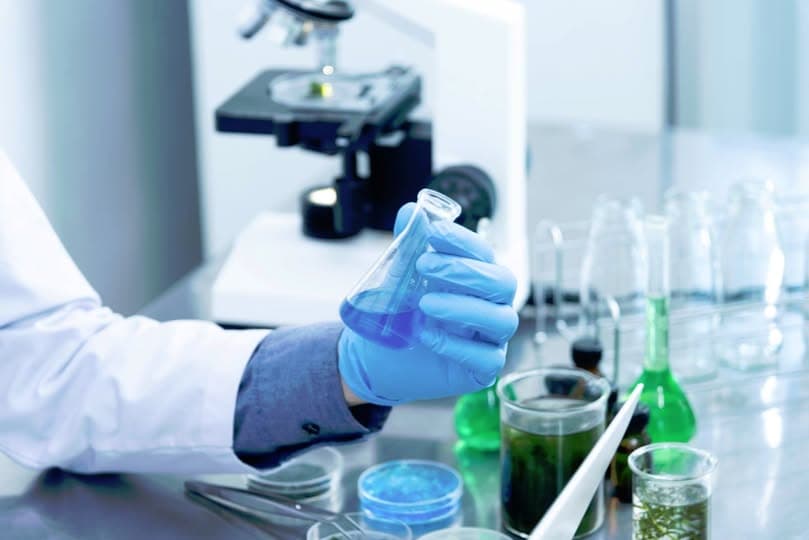
Organic chemistry is based on the study of carbon compounds and tracking the movement of electrons in carbon chains and rings, as well as how electrons share with other carbon atoms and heterogeneous atoms. Organic...
Organic chemistry is based on the study of carbon compounds and tracking the movement of electrons in carbon chains and rings, as well as how electrons share with other carbon atoms and heterogeneous atoms. Organic chemistry is primarily concerned with the properties of covalent bonds and non-metallic elements, although ions and metals play an important role in some reactions.
Why is carbon so special?
The answer to this question involves carbon’s own ability to bind to itself: carbon is unique in its ability to form a variety of compounds, from the simplest to the most complex.
There are millions of organic compounds known to science, from methane, which contains one carbon atom, to DNA, which contains millions of carbon atoms.
The value of organic compounds has ensured that organic chemistry becomes a major in the general field of chemistry. It examines why carbon has given rise to such a large and diverse number of compounds, how these compounds are classified, and the role of organic compounds in biological and industrial settings.
—
Source: Published on Facebook's "Braheen Center" page
https://www.facebook.com/braheen.org/posts/pfbid02pCC6qPxPREz7ADMwA67v8K6aigHD8fFoyyrBbiVB4m4zNfPDRgsAZ8b54GB3woSBl