
Fasting rids the body of toxins and dead cells and aging cells by phagocytosis or self-incrimination, improves brain functions including memory, activates GH hormone to delay aging, improves cardiovascular functions, frees cells...
There's no better hospital in the world than fasting.
Fasting rids the body of toxins and dead cells and aging cells through phagocytosis or self-incrimination, improves brain functions including memory, activates GH hormone to delay aging, improves cardiovascular functions, and frees stem cells in the body to restore and repair defects.
What do you know about ketone bodies?
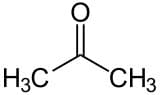
They are the bodies of three water-soluble molecules (acetoacetate and beta-hydroxybutyrate and their auto-disintegration product acetone) that are made by the liver from fatty acids.
Stryer, Lubert (1995). Biochemistry (Fourth ed.). New York: W.H. Freeman and Company. pp. 510 515, 581,613, 775 778. ISBN 0 7167 2009 4.
This is during periods when food intake is low (fasting status), diets to reduce carbohydrate intake, famine, or intense and prolonged exercise.
Koeslag, J.H.; Noakes, T.D.; Sloan, A.W. (1980). "Post-exercise ketosis". Journal of Physiology. 301: 79–90.
As well as those with untreated (or inadequately treated) type 1 diabetes. These ketone bodies are quickly picked up by extra-hepatic tissues due to low blood sugar and converted to acetyl-CoA, and then enter the citric acid cycle and oxidize into the mitochondria of the body's cells to convert to energy that the body and its organs need to function.
Mary K. Campbell; Shawn O. Farrell (2006). Biochemistry (5th ed.). Cengage Learning. p. 579. ISBN 0-534-40521-5.
In the brain, acetyl-CoA is used to make long-chain fatty acids. The latter cannot be obtained from the blood, because they are unable to penetrate through the blood-brain barrier. In this way, the brain can use 40 grams of glucose (sugar) instead of 120 grams of glucose per day, i.e., most of its energy is produced from ketone bodies instead of glucose.
Stryer, Lubert (1995). Biochemistry (Fourth ed.). New York: W.H. Freeman and Company. pp. 510 515, 581,613, 775 778. ISBN 0 7167 2009 4.
Ketogenic bodies are made by the liver under the influence of the above-mentioned hypoglycemic conditions (fasting, starvation, low-carbohydrate diets, intense exercise, type 1 untreated diabetes) as a result of a severe glucose synthesis cycle: the process of making glucose from non-carbohydrate sources (the kidneys do not contain fatty acids).
When two molecules of Acetyl Quay lose their coenzyme A, they can make a two-component chemical called acetoacetate. Beta-hydroxybutyrate is the product of acetoacetate reduction, as the ketone group is converted into an alcohol group. Both are tetracarbon molecules, so they can quickly be returned to Acetyl Quay by most tissues of the body, with the exception of the liver, of course.
Ketogenic bodies have a distinctive odor characteristic, as they can be detected by the breath odor of individuals with ketoacidosis or hyperketone body, (which usually resembles the smell of a nail polish remover that usually contains acetone or ethyl acetate).
Apart from the three ketone bodies (acetone, acetoacetate, beta-hydroxybutyrate), other ketone bodies such as beta-ketopentanut and beta-hydroxypentanut may be made as a result of the fat acting process of synthetic triglycerides such as hepaton triglycerides.
Lori Laffel (1999). "Ketone bodies: a review of physiology, pathophysiology and application of monitoring to diabetes". Diabetes/Metabolism Research and Reviews. 15 (6): 412–426. doi:10.1002/(SICI)1520-7560(199911/12)15:6<412::AID-DMRR72>3.0.CO;2-8. PMID 10634967.
—
Source: Posted on Dr. Mohammed Bourbab's Facebook page on 2020-04-24
https://www.facebook.com/bourbab.m/posts/pfbid0MBUJ7g2G46iTzkSuFuqqxXkd9M5keVzh4ZJEz38Fi3RQxnqn39f35ww5ivuBgTQXl