
Proponents of mixing exons argue that typical sections of the genome are randomly arranged, and rearrange themselves – randomly as well – to generate new genes, not far from rearranging paragraphs within an article to generate a new article! The term exon...
Proponents of mixing exons argue that typical sections of the genome are randomly arranged and rearrange themselves to generate new genes, not far from rearranging paragraphs within an article to generate a new article.
The term exon refers to the encoded regions of proteins of the genome – in genomes that contain encoded regions of proteins distributed within unencrypted regions – and the encoded regions of the genome of proteins interspersed with other unencrypted segments of proteins often known as introns, which perform other functions, such as encoding regulatory RNA molecules. However, exons store important amounts of functionally determined and pre-existing information.
Although most proteins are encoded in many exons, a single exon may encode a fundamental unit of protein structure – like a functional protein fold – in fact, proponents of gene mixing claim to support them, because they explain the emergence of new proteins.
They assume that exons undergo blind random mixing to form new genes, but this mechanism is unable to produce new protein folds. Either the exon is so large that it encodes an already existing protein fold (in this case, there is no creation of the new fold), or it is so small that several exons are involved to reach a fixed protein fold, and in this second case, we will see some obstacles that prevent the task from succeeding.
The need for high-quality amino acid sequences, discussed in the previous chapter, means that the overwhelming majority of amino acid sequence mergers – at the secondary structure level – will not reach fixed folds. As discussed in chapter 10, the extreme scarcity of functional proteins (fixed folds) in sequence space ensures that the probability of finding a correct sequence makes the fold fixed. That’s why the most skilled protein scientists struggle to fold up.
Almost all secondary structure units that attempt to engage with others in fixed complex structures are unable to fold due to interactions between amino acid side chains.43
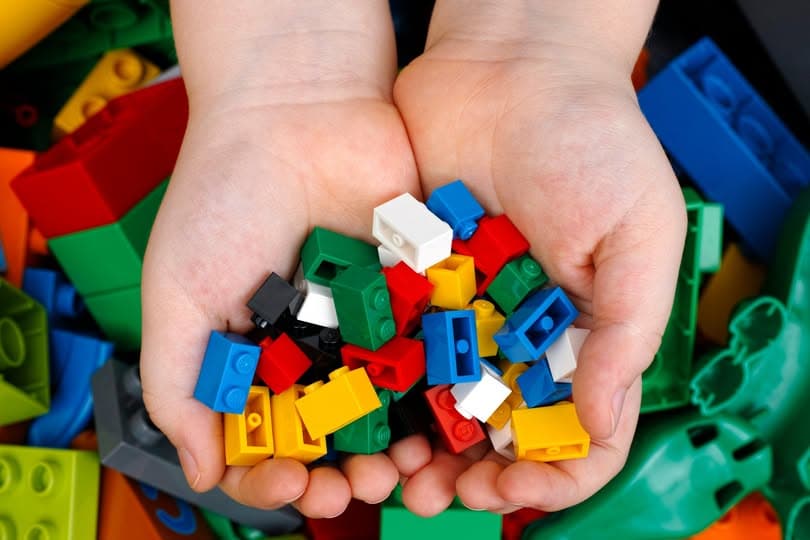
This has been explained by molecular biologist Anne Geiger: "Therefore, alpha-slices and beta-sheets are structural elements that depend on their sequence within protein folds, so they cannot be repositioned as Lego game pieces."44
- Dr. Steven Meyer.
—
Source: Published on Facebook's "Braheen Center" page