
Sciences
Articles about Sciences
 Sciences
Ancient wisdom tells us that biology is the science of exception.
Hemoglobin protein binds oxygen molecules to iron atoms in its center, carrying oxygen in the bloodstream of animals; except when it doesn't! In animals like octopus and horseshoe crab...
1 minutes
 Sciences
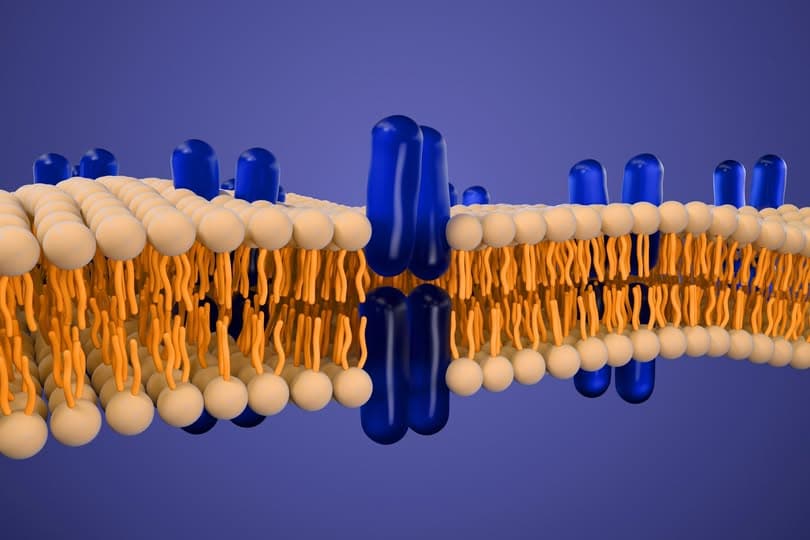
The Cell Membrane and Amphiphilic Molecules
The cell membrane is made up of particles that oscillate familiarity (double familiarity) towards water, thus similar to soap and disinfectants used in house cleaning. The word (double familiarity amphiphiphilic) is derived from the Greek root...
2 minutes
 Sciences
Why are carbon compounds so numerous and diverse?
The reason for the abundance and unique diversity of carbon compounds lies in some of the unique properties of the carbon atom – its atomic number – and, as the English chemist Nevil Sidgwick explains in his classic textbook Chemical Elements and Their Compounds.
2 minutes
 Sciences
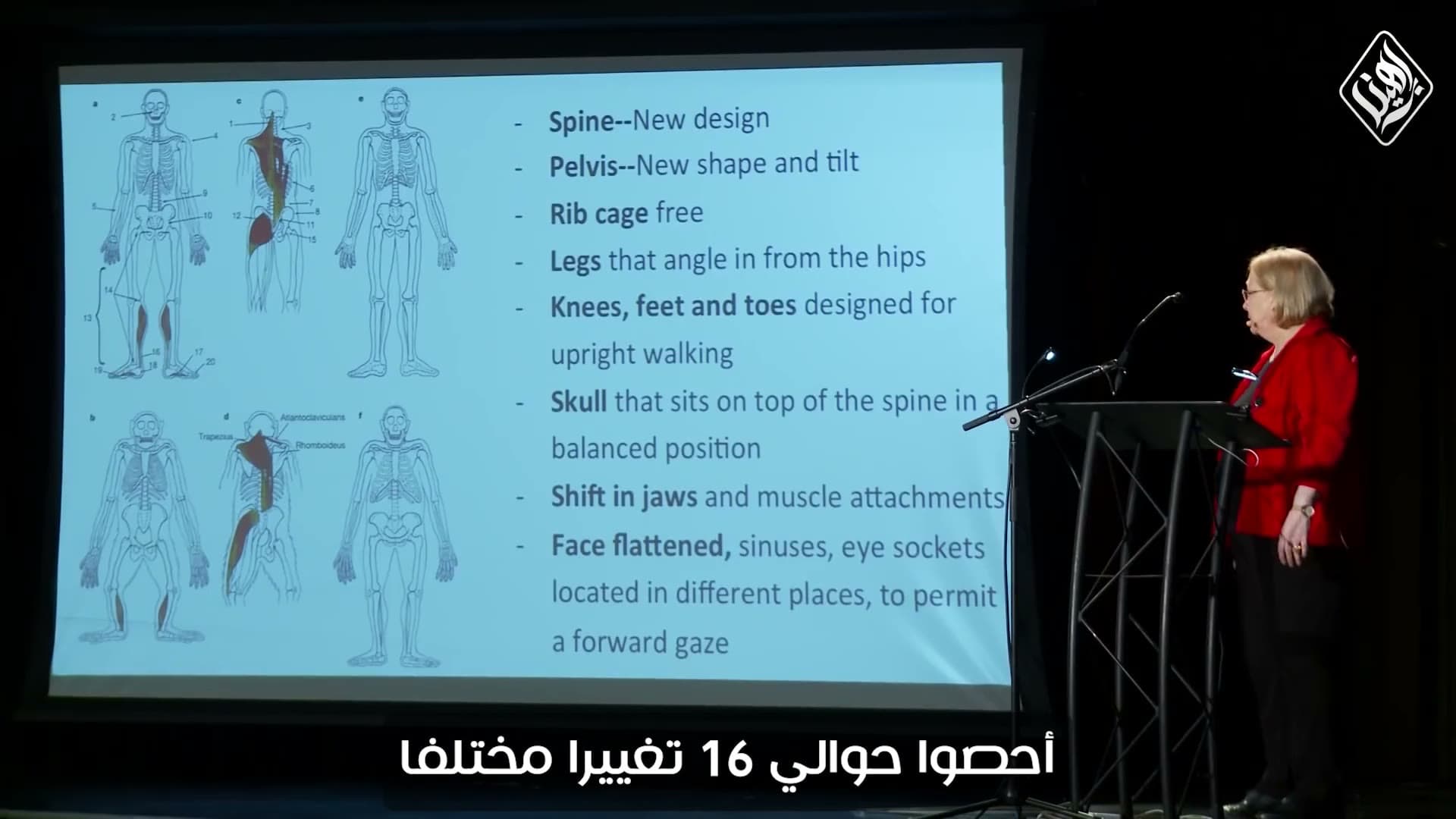
Who Said Humans Descended from Apes?
The theory of evolution does not say that!!! It just says, that humans and monkeys came from a common ancestor, means the monkey is not the grandfather of man, but only his cousin! The question now is, is there any scientific evidence of the origin of humans and monkeys from a common ancestor? Or is it...
2 minutes
 Sciences
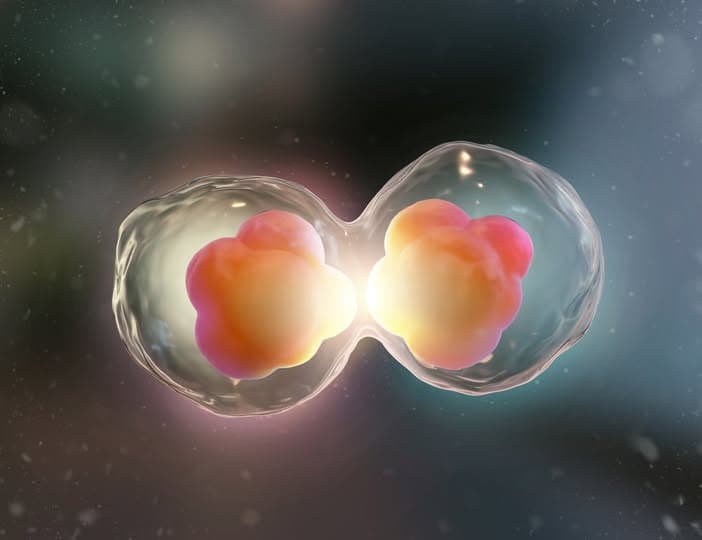
Cytoplasm division: the second stage of cell division
Cytokinesis, or "cell dynamics", is the second major stage of the mitotic phase during which cell division is completed via the physical separation of cytoplasmic components into two daughter cells.
1 minutes
 Sciences
Dembski's cosmic probability limit.
There are a limited number of chances of any particular event occurring during the entire history of the universe. Dembski was able to simply calculate this number by multiplying these three factors together: the number of elementary particles (10-80) multiplied by the number of seconds elapsed since the Big Bang...
1 minutes
 Sciences
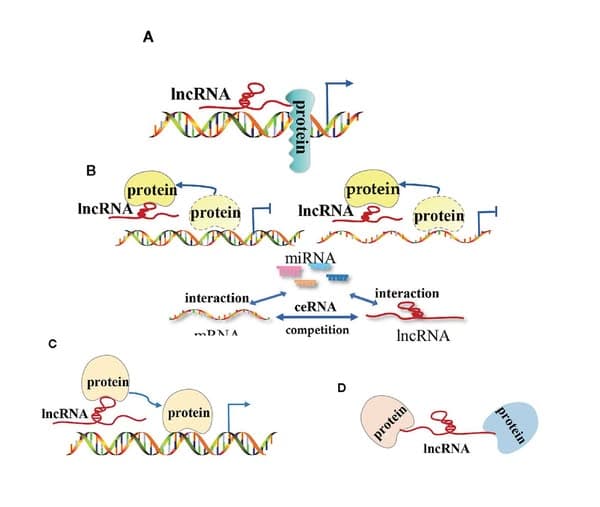
Long Noncoding RNAs: The Contribution of Databases
At the beginning of May 2023 published a paper in the journal Nature Reviews in molecular cell biology entitled "The contribution of databases to the understanding of long, non-coding RNA elements of lncRNAs", in which he presented the following:
2 minutes
 Sciences
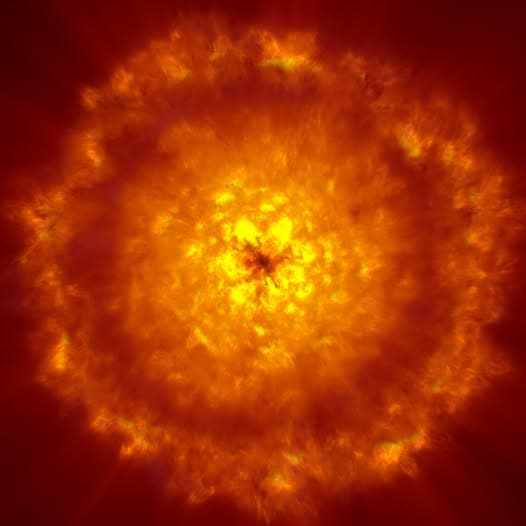
Nuclear fusion: the sun's fuel
The transformation of hydrogen (the simplest atom, with its nucleus consisting of one proton) into helium (the second simplest atom, consisting of two protons and two neutrons) fuels the Sun. So far, attempts have been made to harness fusion as a source of energy (controlled fusion).
1 minutes
 Sciences
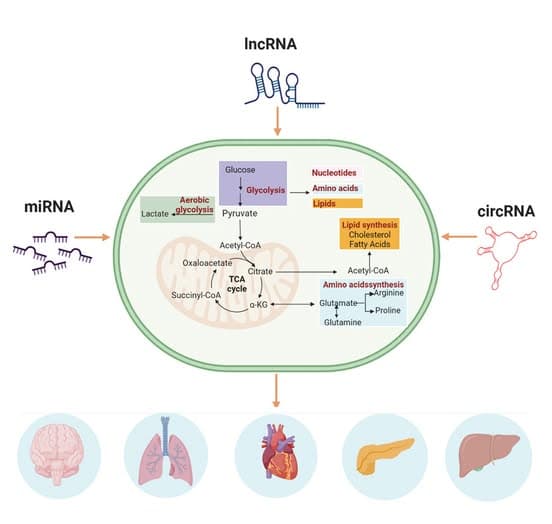
A Comprehensive Review of Noncoding RNAs (ncRNAs)
At the beginning of June, a team from the University of Texas in collaboration with a team from Capital Medical University in Beijing published a comprehensive review of ncRNAs and their regulatory roles in cellular metabolism and their relationship to disease in the journal CELL.
2 minutes
 Sciences
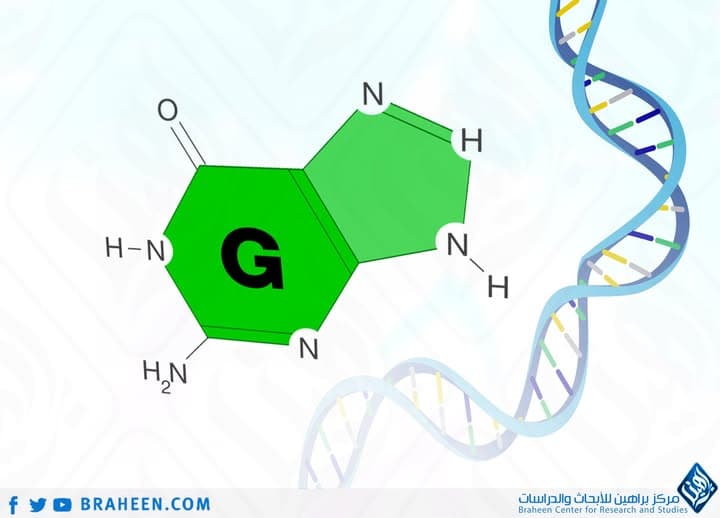
Guanine (G)
It is one of the four nucleotide bases in DNA, the other three being adenine (A), cytosine (C), and thymine (T), and is commonly associated with cytosine, so we often see pairs of CG; on each of the two DNA strands...
2 minutes
 Sciences
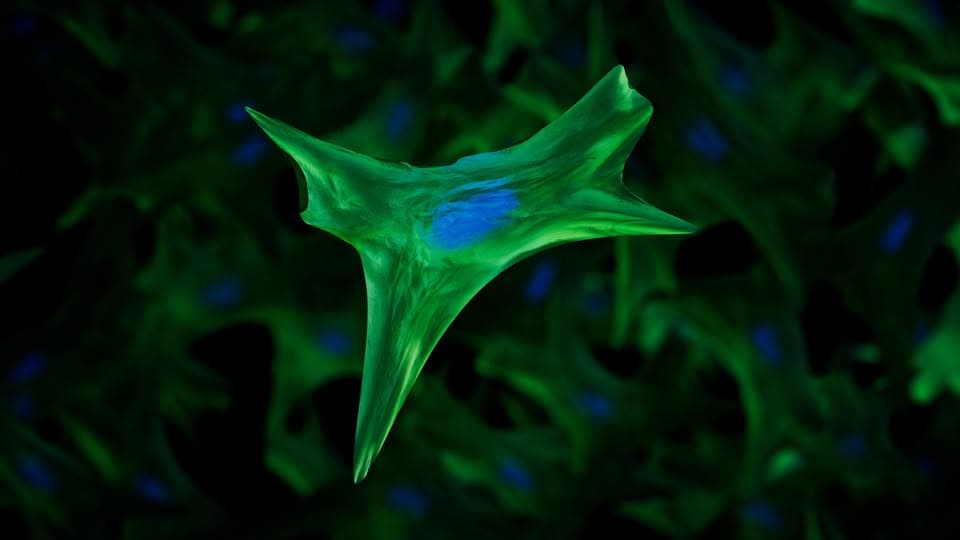
Fibrocytes under immunofluorescence
This is what fibroblast cells look like when photographed with immunofluorescence technology. In this technique, fluorescent dyes are directed at the cell’s organelles, making their appearance visible under a microscope. Fibre cells appear stained...
1 minutes
 Sciences
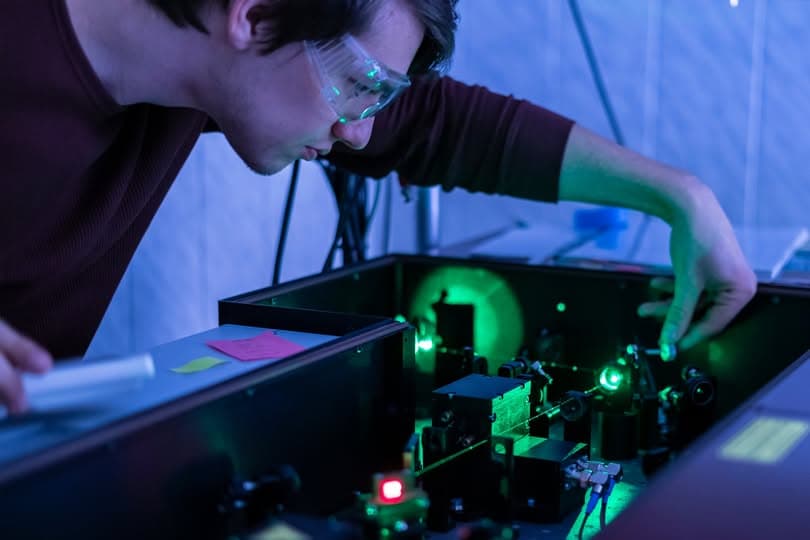
Photoelectric effect: electron energy and light frequency
As we increase the intensity of light the more electrons are emitted; but the energy of each electron remains constant without increase. Whether the falling light is weak or strong, the energy of each electron is equal to hf, i.e., the product of the frequency of light multiplied by the value of the general physical constant h...
2 minutes
 Sciences
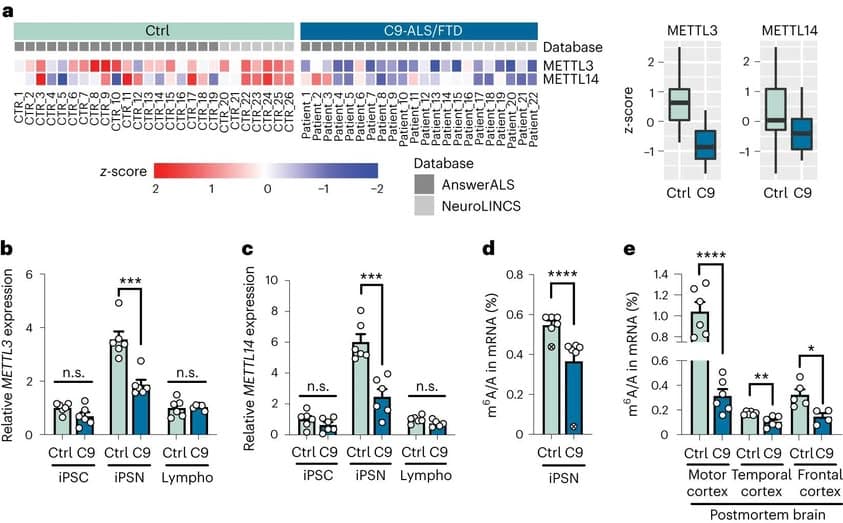
C9ORF72 gene and irregularity of nerve cell pathways
In a recent study in the journal Nature Neuroscience, a research team from the University of Chicago and Johns Hopkins University was able to elucidate one of the factors of irregularity of RNA pathways in two cases of neurodegeneration.
1 minutes
 Sciences
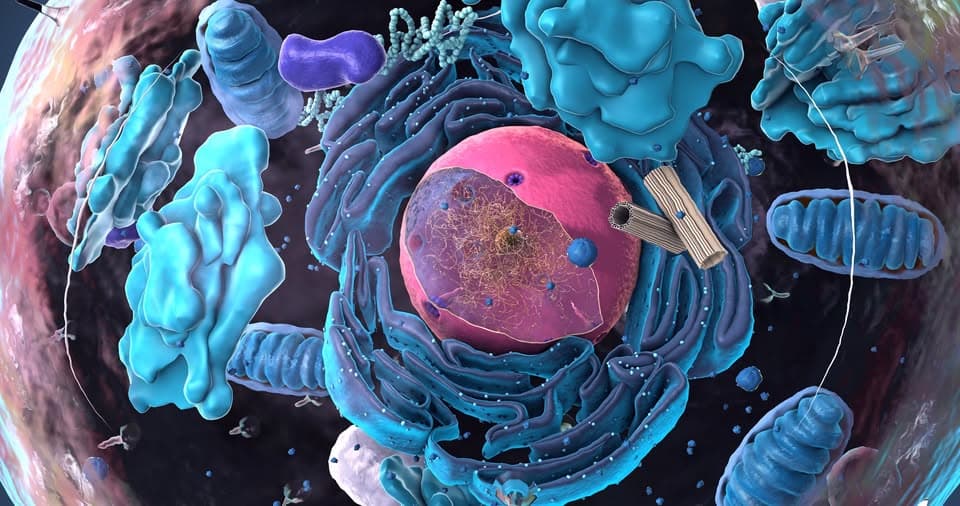
The three-dimensional shape of the protein and its function
The three-dimensional shape of a protein gives it its exact conformation to other complex molecules of equivalent quality or simpler substrates allowing it to catalyze specific chemical reactions or build specific structures in the cell A protein cannot usually be replaced by a...
1 minutes
 Sciences
Why is carbon so special?
Organic chemistry is based on the study of carbon compounds and tracking the movement of electrons in carbon chains and rings, as well as how electrons share with other carbon atoms and heterogeneous atoms. Organic...
1 minutes
 Sciences
The Photoelectric Effect: The Limitations of Classical Physics
One of the first physical phenomena to illustrate the limitations of classical physics was the photoelectric effect. This experiment sheds light on a metal surface surrounded by a vacuum; some “electrons” are emitted...
2 minutes
 Sciences
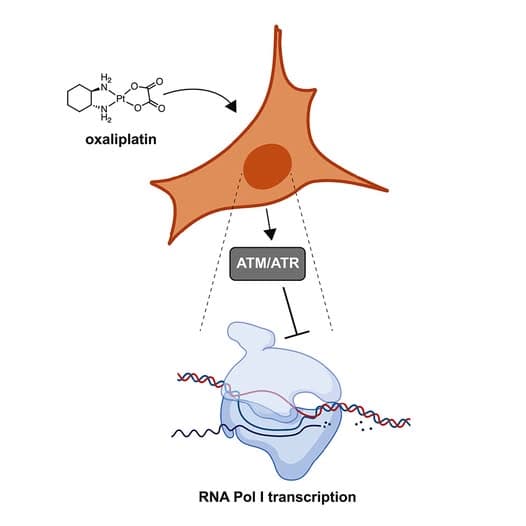
ATM and ATR kinases: a new discovery in DNA transcription regulation
The mysteries of how molecules work inside a cell do not go away, and how we understand them is pivotal in treating many of the diseases that have burdened humanity. A research team from Preston University in a new paper published today in the Cell Journal of Chemical Biology has discovered how...
2 minutes
 Sciences
Just Six Numbers: The Constants that Rule the Universe
This book talks about six numbers, which now seem to be of special and great importance; two of these numbers are related to "fundamental forces", two more (the size of our universe) and (his total strength) and whether it will last forever or not, and then the remaining two numbers are determined...
3 minutes
 Sciences
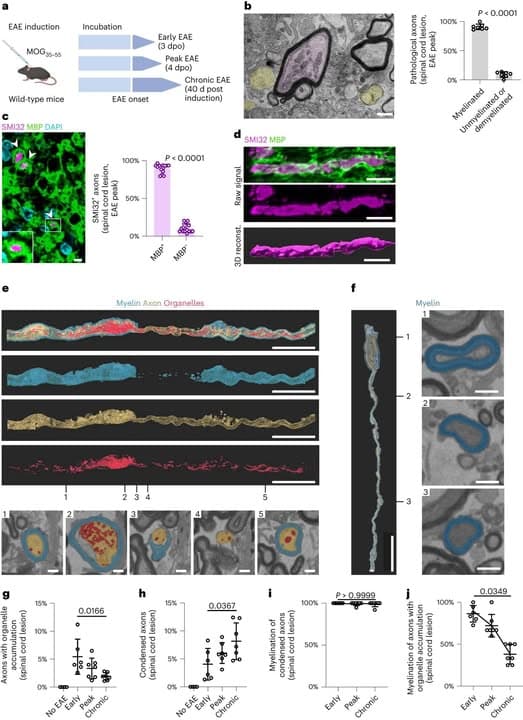
New Study in Multiple Sclerosis Pathology
At the end of last month (June 2023) a German research group in a recent paper in the journal Nature Neuroscience made a new contribution to trying to understand the pathology of multiple sclerosis, which may significantly change our understanding of the nature of the disease.
3 minutes
 Sciences
Supernovae and critical star distances
The inevitable connection between these ancient astronomers and the new star they observed in the sky goes beyond the mere fact that stellar explosions distribute the atoms of life in the universe and the motion of stillness leads to the birth of planets.
2 minutes
 Sciences
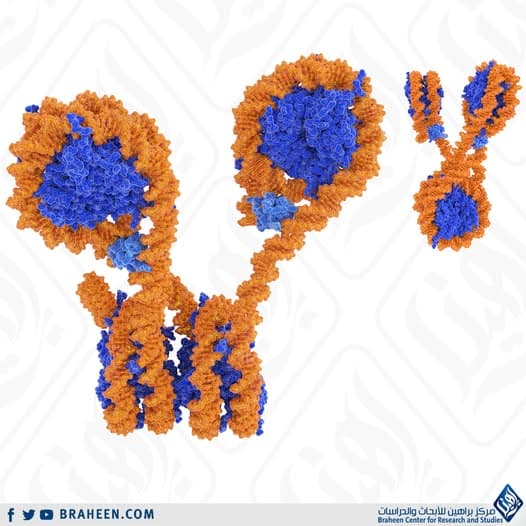
Histones: How Does Their Shape Enable Their Function?
The specific form of histone proteins is what enables them to do their work. Histones 3 and 4 are well contained within specific three-dimensional forms with a precise distribution of positive electrical charges around their outer part.
1 minutes
 Sciences
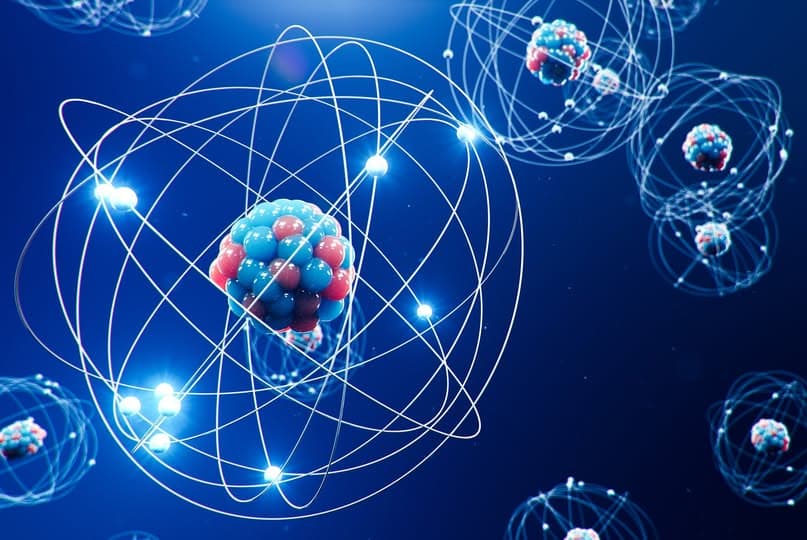
Rutherford’s Experiments and Atomic Structure
The precise physical nature of the atoms was illustrated by a series of elegant experiments conducted between 1895 and 1915. The most notable of these achievements was Ernest Rutherford’s famous experiment on alpha scattering in 1911, which proved that...
2 minutes
 Sciences
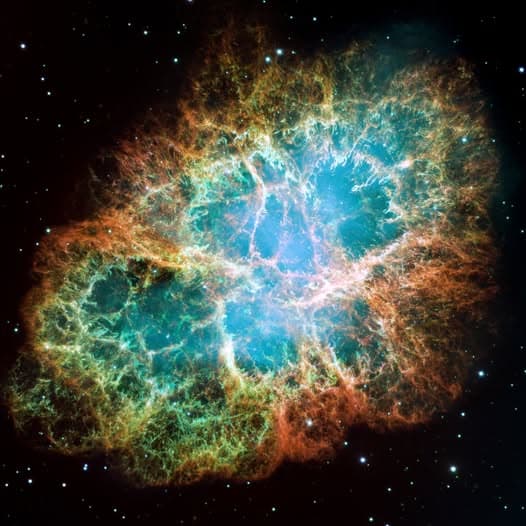
Supernova 1054: The star seen by Chinese astronomers
Astronomers in China in 1054 AD noticed a wonderful celestial event, as suddenly appeared in Taurus a new star perforating the light, and was so bright that he could see in daylight, and its light at night is equivalent to the moon's light fully, and connects the astronomer Karl...
2 minutes
 Sciences
Rhipidistian Fish and Coelacanths: The Fall of the Archetypal Amphibian Ancestor
For nearly 100 years, ribids have been the typical ancestor of amphibians, and have been classified as a mediator between fish and terrestrial vertebrates. But in 1938, fishermen in the Indian Ocean on the coast of South Africa’s Cape province...
3 minutes