
Sciences
Articles about Sciences
 Sciences
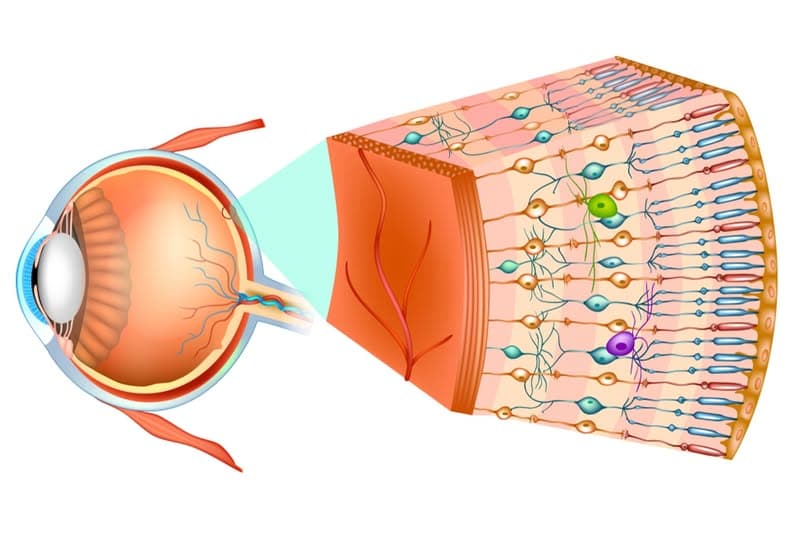
Rods and Cones: The Retina’s Light-Sensitive Cells
The two basic types of light-sensitive cells in vertebrate retina are sticks and cones. The latter are very sensitive to light and function well in dim light or at night. They can actually sense even a photon...
2 minutes
 Sciences
Quantum Behavior Behind the Classical Properties of Materials
It has long been observed that the behavior of macroscopic objects appears to be classical; however, many of their qualities actually arise from the quantum behavior of their microscopic components. An example of this is what makes some materials metals and delivers electricity...
4 minutes
 Sciences
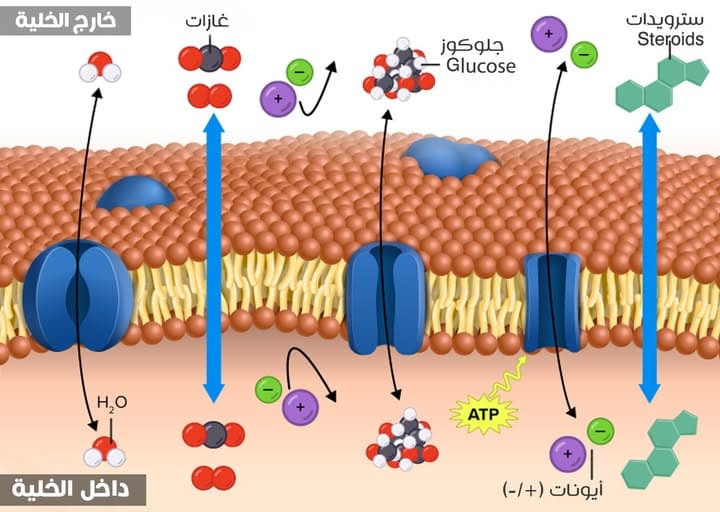
The Cell Membrane: The Lipid Bilayer
The cell membrane is one of the most important structures in the cell, and consists largely of fat, and it is difficult to imagine the survival of the cell without some kind of surrounding membrane relatively non-permeability of the components of the cell - especially for small metabolites such as sugar...
4 minutes
 Sciences
Star Spectrum and the Discovery of Outer Planets
The spectrum of starlight shows patterns, because of the distinctive colors that are radiated or absorbed by different atoms - carbon, sodium, etc. - that make up stars, and if a star moves away from us, its light budges to the right in the red region of the spectrum, compared...
2 minutes
 Sciences
Why was life established in the liquid medium?
The establishment of life in the liquid medium was no accident, as it is difficult to imagine any kind of complex chemical system capable of synthesis and copying itself, dealing with the atoms and molecules that make up it, and harvesting nutrients and vital components from its environment.
2 minutes
 Sciences
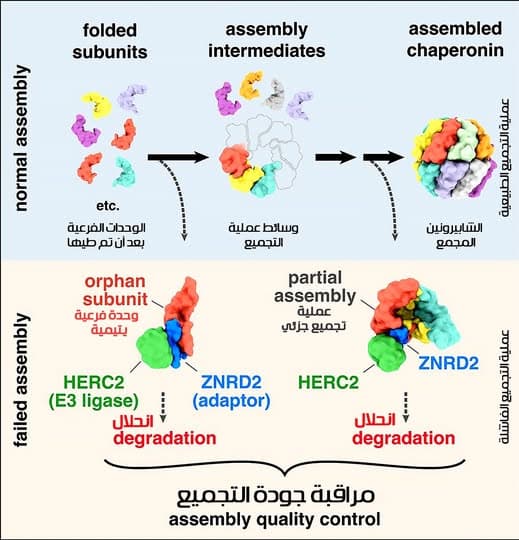
Mechanism of Subunit Recognition in Molecular Machines
A research group from the Medical Research Council Laboratory of Molecular Biology in Cambridge recently published an article in the journal CELL about "the mechanism of orphan subunit recognition during assembly quality control", the paper discusses the mechanism of protein subunit recognition...
3 minutes
 Sciences
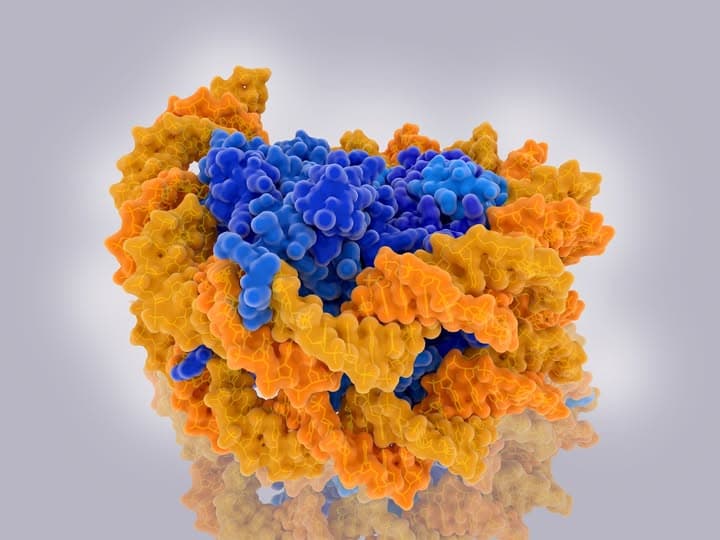
Molecular Divergence Times: Conflicting Studies
Different studies on the same or similar groups of molecules sometimes generate radically different spacing times, for example Francisco Ayala and many of his colleagues recalculated the spacing times of the sequence division using the same genes.
2 minutes
 Sciences
Genes in the absence of fossils: conjectures of molecular evolution
In the absence of fossils, scientists are turning to genes to make near-conceived guesses about the supposed evolutionary relationships between organisms and their dates; this field is called the "molecular clock". Various studies of different molecules have produced divergent data...
2 minutes
 Sciences
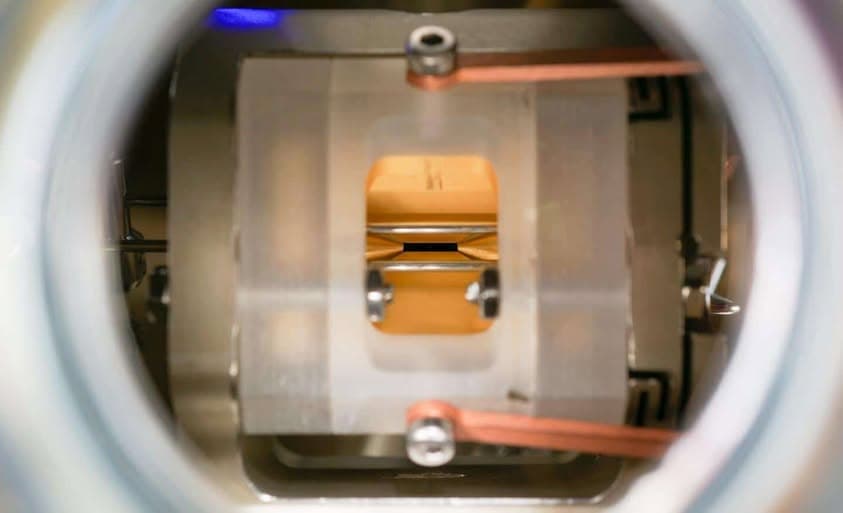
Quantum entanglement: how is the photon affected remotely?
How can this process affect the right photon that might have been on the other side of the lab when the measurement was made? If we exclude the idea that the measuring devices affect the photon remotely, how then will we explain the fact that...
2 minutes
 Sciences
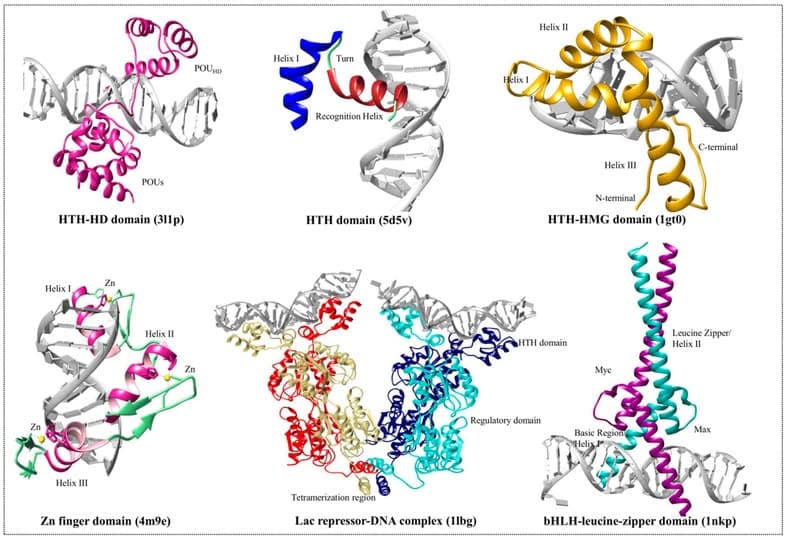
Interactions Between Proteins and DNA
Some of the most elaborate and specialized molecular interactions we know about in molecular biology are found within DNA-protein interactions. To make DNA-protein communication possible, we need to have...
1 minutes
 Sciences
Is the brain who thinks and thinks? The fallacy of cognitive neuroscience
Cognitive neuroscience assumes that the brain has certain cognitive, cognitive, and moral abilities, as the brain is the one that thinks, thinks, interprets, experiences, and transmits things, and this is shown by the slightest reflection on the work of Antonio da Maceo and Sam Harris, for example.
2 minutes
 Sciences
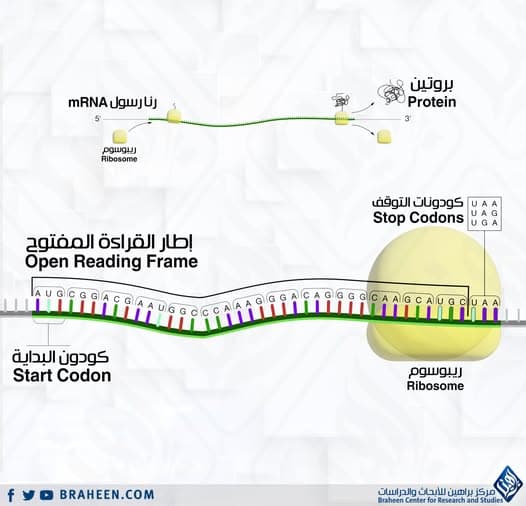
ORF Open Reading Frame
Open reading frame or ORF, is a part of the DNA sequence that does not include a stop codon (which acts as a signal to stop protein synthesis). The codon is a sequence of DNA or RNA from 3 nucleotides, which forms...
1 minutes
 Sciences
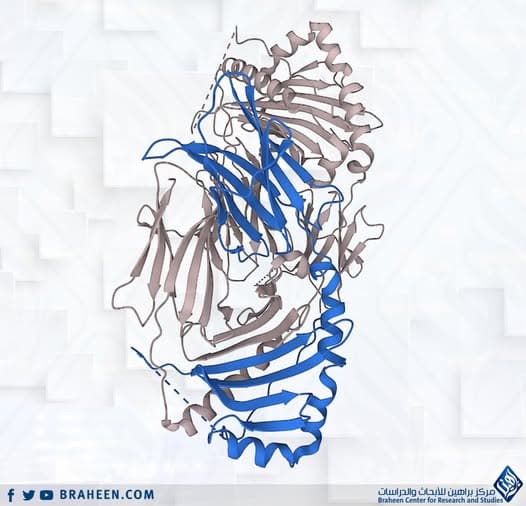
What if our sequence similarities weren't the result of a common ancestor?
What if we start with two intelligently designed people? Is there any evidence in the data I have provided that this assumption is true? If it is, then not all of this analysis will tell us how many individual patterns we share with chimpanzees. There are definitely patterns...
4 minutes
 Sciences
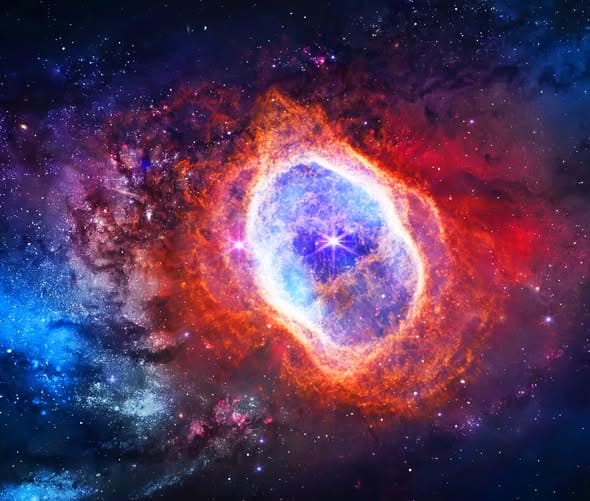
Dark matter and the stability of galaxies
Without a lot of dark matter, galaxies wouldn't have settled, they would have been scattered. What looks to you like beautiful images or paintings of spiral discs are really (scintillating deposits) linked by attractive forces coming from invisible body swarms of an invisible nature...
1 minutes
 Sciences
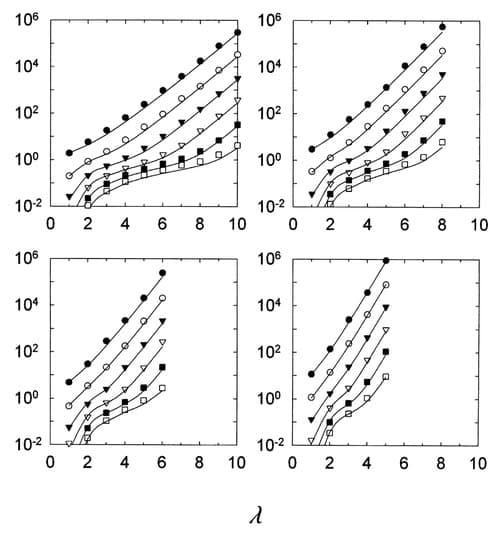
Behe and Snook: the difficulty of adding new features with mutations
In this paper, Lehigh University biochemist Michael Behe and University of Pittsburgh physicist Snook show how difficult it is for evolutionary processes to add any novel proteins to pre-existing protein structures to be front-end proteins.
3 minutes
 Sciences
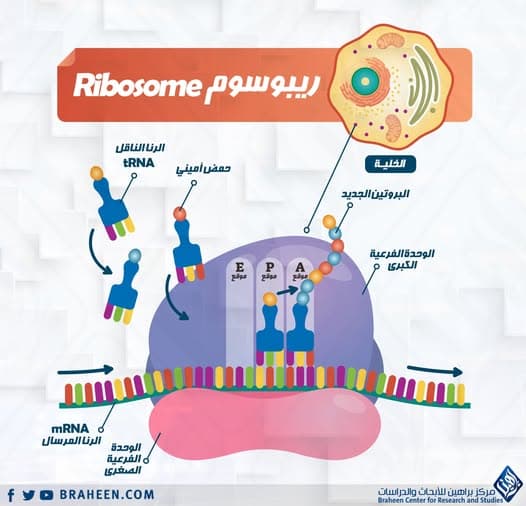
Ribosome: Protein Synthesis Machine
The ribosome consists of three RNA molecules and a set of proteins, and each ribosome consists of two subunits, known as a small subunit and a large subunit. The large subunit is located at the top and the...
1 minutes
 Sciences
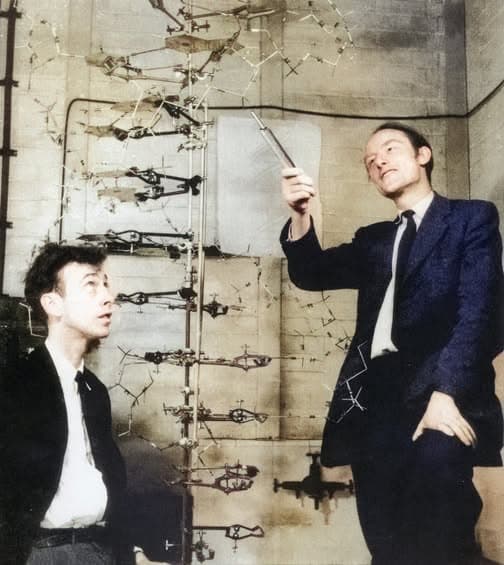
DNA Structure Discovery Race
Three teams were racing to solve DNA structure puzzles that most biologists today assume will help explain how genetic traits are passed from one generation to the next.
2 minutes
Some People Have a Utopian View of Science!
When we say that “judgments based on scientific evidence, whether in the laboratory or in the courtroom, are met with a definite rejection that does not even accept it as research; just because it contradicts the concept of some of the prevailing scientific consensus.” He believes that those who say this...
4 minutes
 Sciences
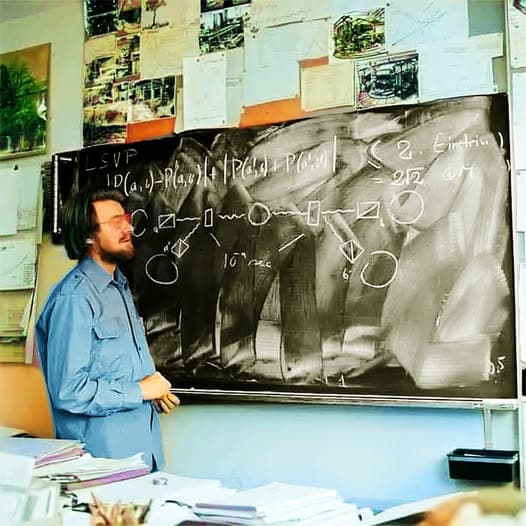
Theories of hidden variables and Bell's theorem
The challenge facing the theories of “hidden variables” is to establish a theory whose results are consistent with the results of quantum theory. Returning to the principles of the theories of “hidden variables” presented at the end of the second chapter, each photon has a number of qualities that...
1 minutes
 Sciences
Scholars as Investigators: A Research Approach to the Past
In my doctoral studies, I have learned that scientists who research the past often think much like detectives who look for the criminal.
2 minutes
 Sciences
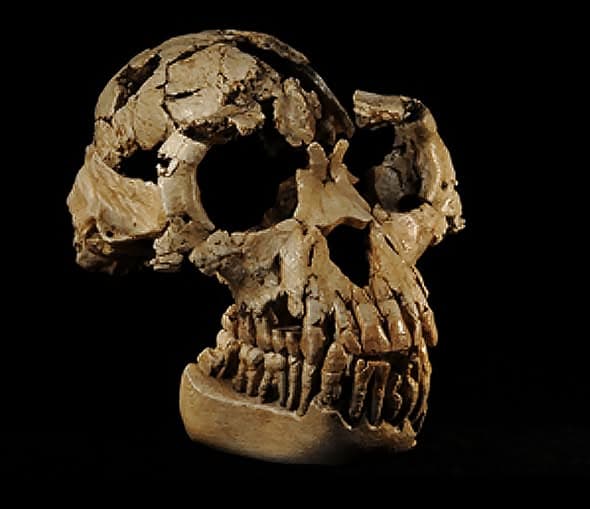
Ardi: A Fossil Scientists Had Been Waiting For
In 2009, the journal Science announced a long-awaited, 4.4-million-year-old fossil of the ape Ardi, Ardipithecus ramidus. Its discoverer, paleoanthropologist Tim White of the University of Berkeley, raised his expectations…
7 minutes
 Sciences
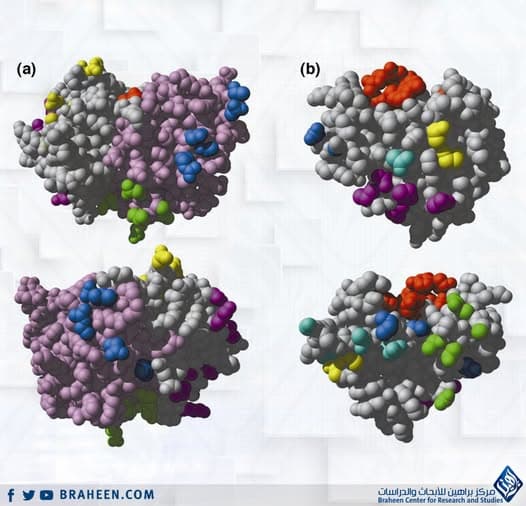
Douglas Axe and the Rarity of Functional Proteins
After completing his Ph.D. at Caltech in 1992, Douglas Axe moved on to become a postdoctoral researcher at the University of Cambridge, working at Alan Fersht’s lab at the University of Cambridge, then moving on to the Centre for Protein Engineering at the University of Cambridge.
4 minutes
 Sciences
Shannon-scale DNA transfer capacity
Of course, DNA has the capacity to transmit information when compared to Shannon's theory. Since DNA contains instructions for building proteins, the cell's gene expression system acts as a communication channel.
2 minutes
 Sciences
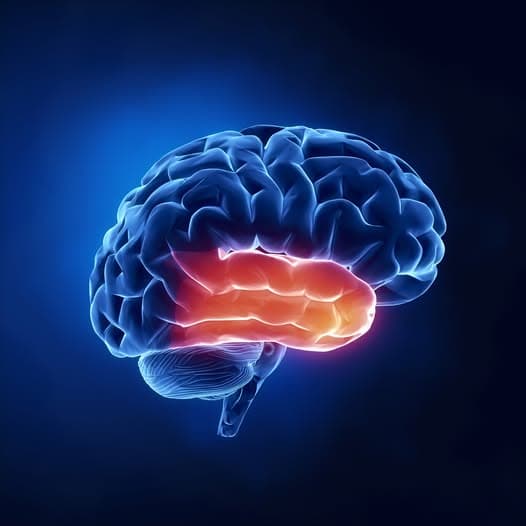
Temporal lobe and its functions
The temporal lobe is part of the cerebral cortex, which is the outer layer of the brain that has a pivotal role in performing higher cognitive functions; such as cognition, thought, and memory. The cerebral cortex is divided into four main lobes,...
2 minutes