
Sciences
Articles about Sciences
 Sciences
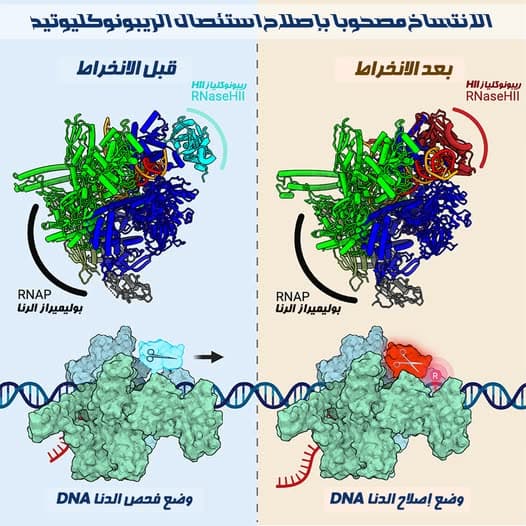
New image of DNA repair in bacteria
A radically different new picture has recently emerged of how bacterial cells are constantly repairing the wrong parts of DNA. In mid-May, a new study in the journal Cell for a research team from the Grossman School of Medicine at the University of New York...
4 minutes
 Sciences
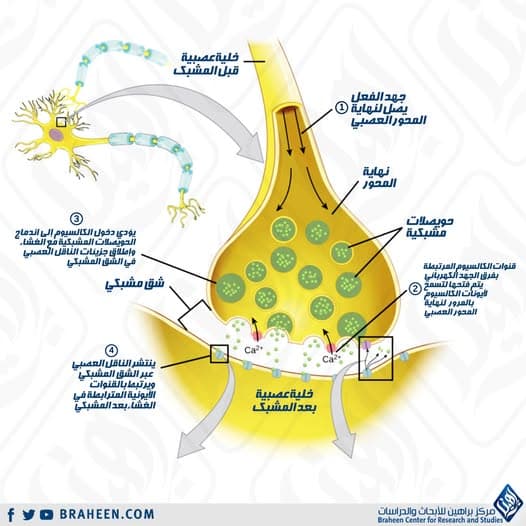
Chemical Synapse
Neurons contain two types of synapses, the electrolytic synapse and the chemical synapse. Our paragraph today is about the chemical synapse When the action voltage reaches the end of the axon, it depolarizes the membrane and...
1 minutes
 Sciences
Robert Merton and the Principle of Universalism in Science
The sociologist Robert Merton wrote in The Dark Days in 1942: "The acceptance or rejection of truth claims on the lists of science does not depend on the personal or social attributes of their owners; race, nationality, religion, social class...
2 minutes
 Sciences
What Is Energy? An Abstract Concept That Took Scientists a Long Time to Develop
It is difficult to reduce the scientific meaning of energy to one or two sentences. There is a good reason for this: energy is an abstract concept that scientists have taken a long time to discover. Although the concept of energy is very general, changes in energy are associated with almost all phenomena...
2 minutes
 Sciences
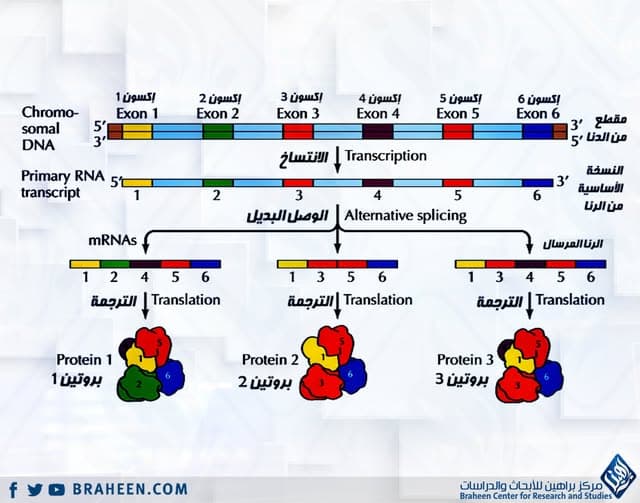
The Central Dogma of Molecular Biology and Alternative Splicing
The central dogma of molecular biology is that DNA makes RNA (in the transcription stage), RNA makes proteins (in the translation stage), and proteins are all the cells of the body that make up...
2 minutes
 Sciences
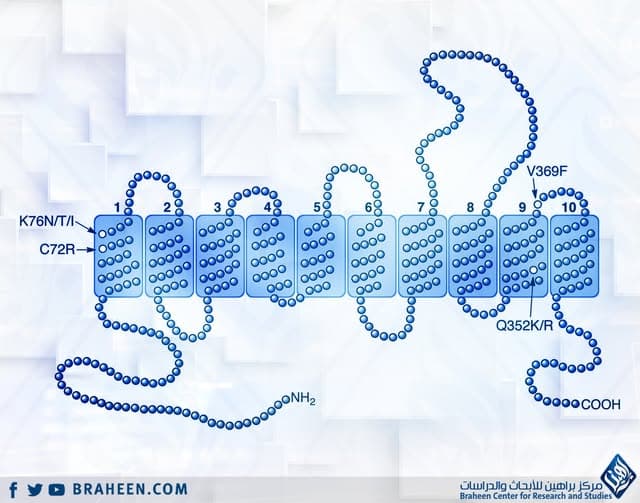
How does chloroquine kill malaria and how does the parasite fight it?
To kill malaria, chloroquine must enter and stay in the parasite's "stomach". In fact, the parasite captures the drug and concentrates it in its digestive vacuole by 10,000 times. The process is complex, and there are several ways to cut this...
3 minutes
 Sciences
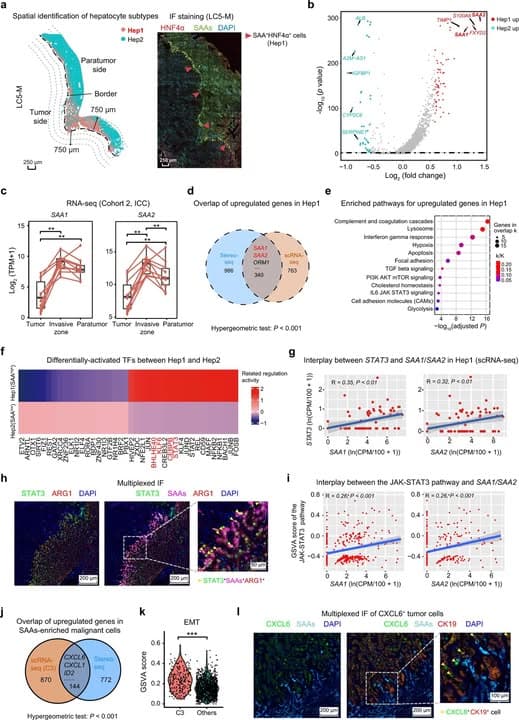
Stereo-seq technology reveals invasive region in liver cancer
A research team from Fudan University in Shanghai has published a new paper in the journal Cell Research on the invasive zone in human liver cancer identified by Stereo-seq technology promotes cross-talk between liver and tumor cells and immunosuppression.
2 minutes
 Sciences
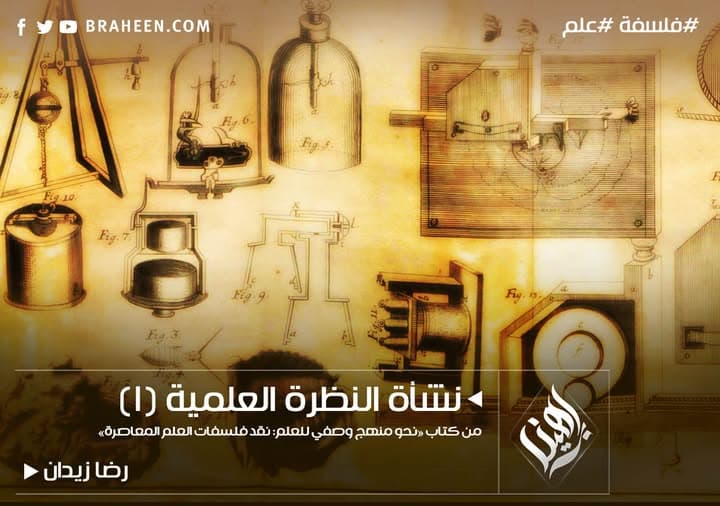
Emergence of the scientific outlook (1): Arabs and experimentation
I do not find in Thomas Goldstein's statement that "the almost total decline of science in the early Middle Ages suggests that the most consistent and fertile scientific efforts are nourished by what we might call 'secular' orientation, a curiosity about nature that finds its roots in a climate...
3 minutes
 Sciences
Loneliness makes you look at the world in a special way.
A recent study published in the Journal of Psychological Science, led by a researcher at the School of Arts, Arts and Sciences at the University of Southern California in Dornesev, suggests that when it comes to their brains processing information, non-lonely people are all the same.
3 minutes
 Sciences
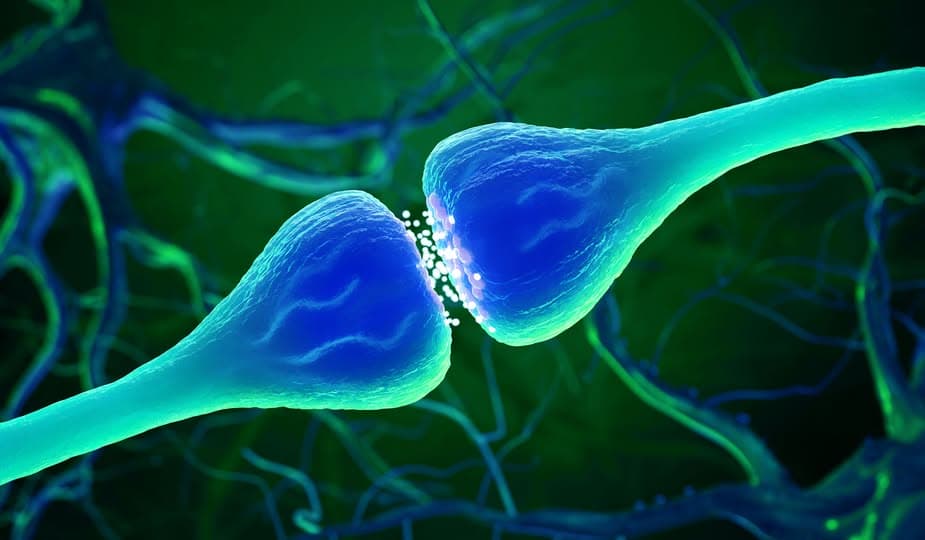
Neural synapses: meeting two neurons
Like emotions, memories, and perception, we hope that our speech will not be understood as any reduction to these mental functions, but rather as a study of the necessary conditions that must be met in the human brain in order to be able to perform these functions in a way that...
4 minutes
 Sciences
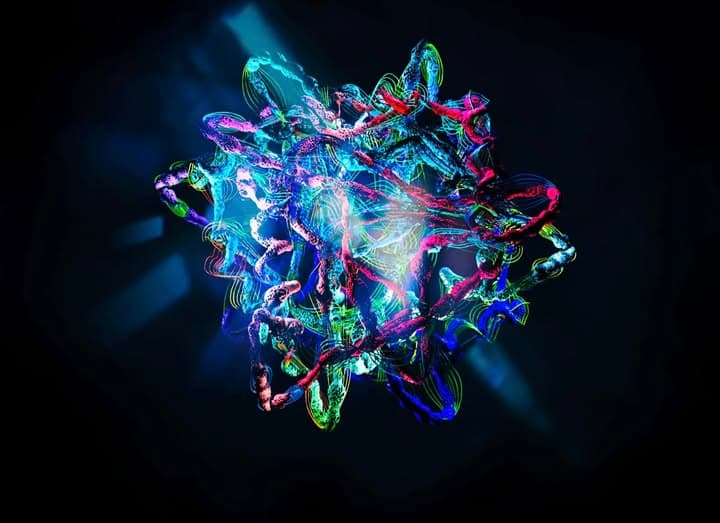
How Does a Protein Fold? The Alpha Helix and Beta Sheet
When the protein is involved, it has to take out almost all the water, so the oily side chains can meet effectively, which is a problem, as the polar atoms have to find partners with corresponding charges within the protein involved, or else...
3 minutes
 Sciences
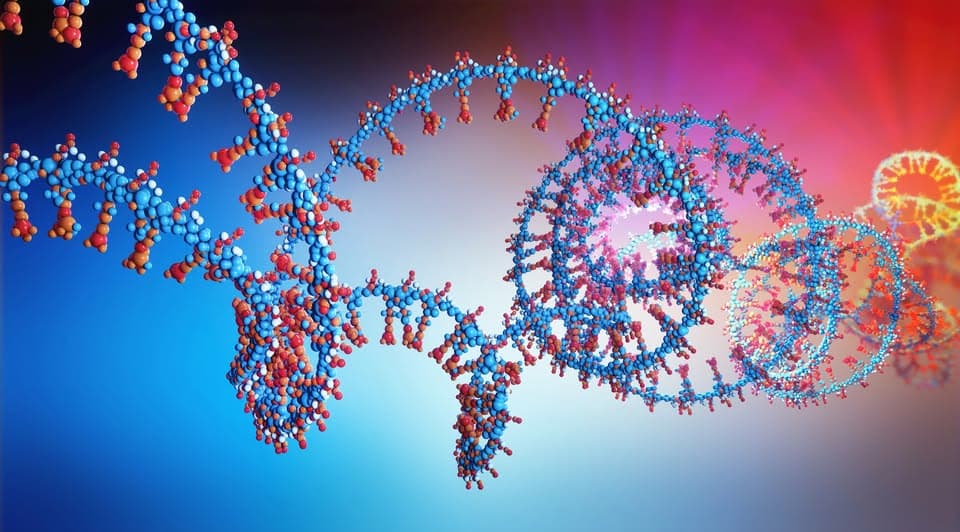
Translating the messenger RNA: Decoding the inside of the cell
After copying the mRNA, it moves from the nucleus to the cytoplasm, where the actual location of the translation, and where the message is decoded. The translation of the mRNA molecule is obtained by a complex set of molecules that together are the translation device, an important part of the translation device...
2 minutes
 Sciences
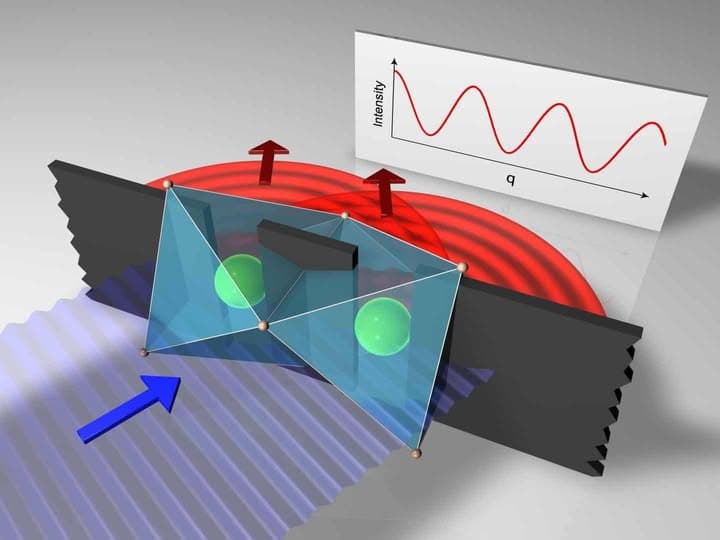
Electromagnetic wave speed: frequency and wavelength
c f The presence of the electric field in an electromagnetic wave can be detected by measuring the voltage difference between two points on its path. This cannot be measured directly in the case of light waves; because their frequency is very high...
1 minutes
 Sciences
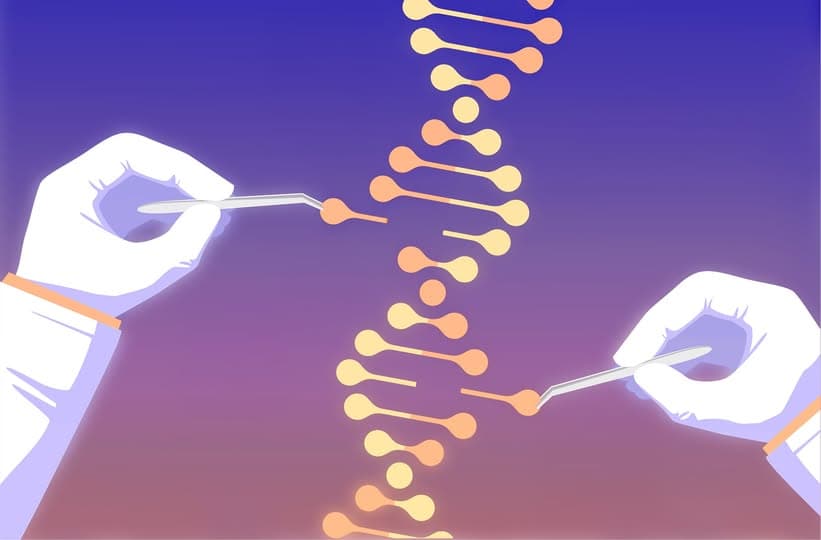
Sternberg: DNA codes and information
Richard J. Sternberg, "DNA Codes and Information: Formal Structures and Relational Causes," Acta Bioetherotica, Part 56(3):205-232 (September, 2008). Richard V. Sternberg, "DNA Codes and Information: Formal Structures and...
2 minutes
 Sciences
Supernova 1987: What Starbursts Reveal
On February 24, 1987, a Canadian astronaut named Ian Shelton and his Chilean assistant at the Las Campanas Observatory in northern Chile were making their usual observation, but they noticed a strange luminosity in the southern sky, bright enough...
2 minutes
 Sciences
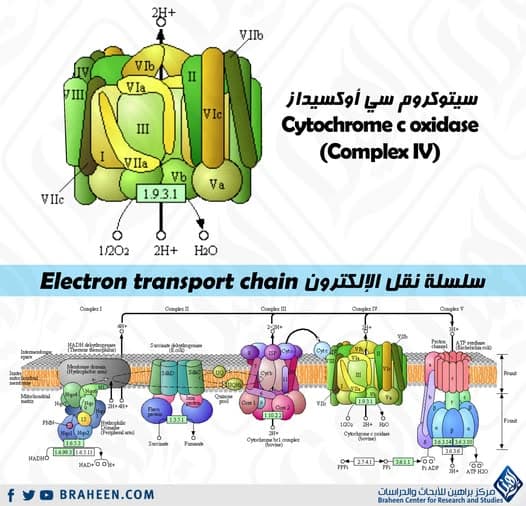
Cytochrome C oxidase: the most important respiration enzyme
One of the most important enzymes that takes advantage of the oxygen-handling properties of transition metals is cytochrome C oxidase, the last member of the respiratory complex, responsible for the last axial reaction in metabol...
2 minutes
 Sciences
Maxwell's Theory of Light: The Need for a New Look
The need for a new way of looking at things arose after studying the qualities of light. Before we consider these new ideas, we must first have a detailed understanding of Maxwell’s theory of light and electromagnetic waves, to which we have just referred.
1 minutes
 Sciences
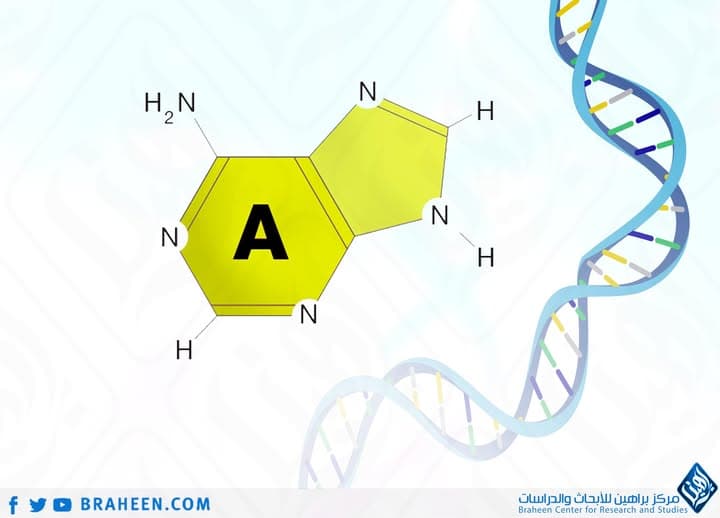
Adenine (A)
It is one of the four nucleotide bases in nucleic acids, and is commonly associated with thymine (T) in DNA and uracil (U) in RNA. Its chemical formula is C5H5N5 (consisting of 5 carbon atoms and 5 hydrogen atoms...
2 minutes
 Sciences
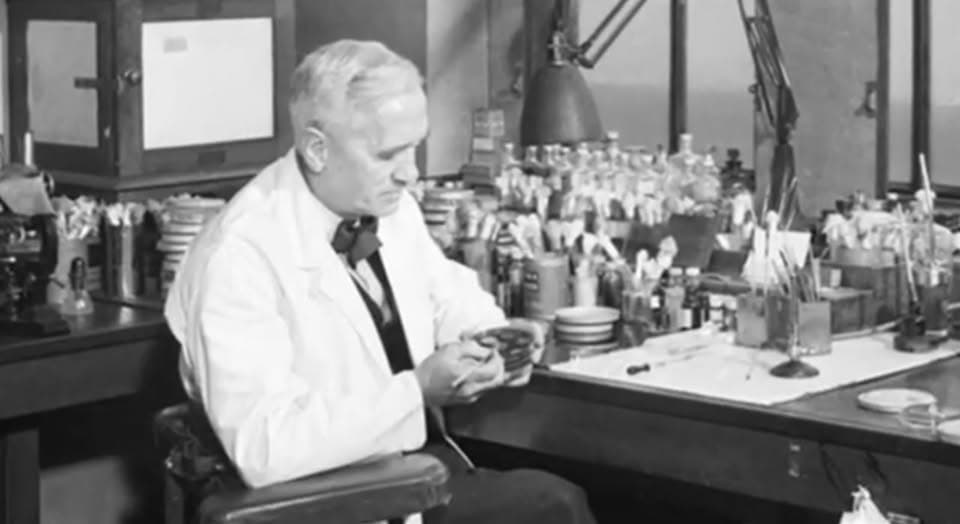
The Discovery of Penicillin: The Alexander Fleming Story
In 1928, English microbiologist Alexander Fleming was growing staphylococcus in his laboratory, and he noticed that a petri dish had been contaminated with a fungus.
1 minutes
 Sciences
Memories of Nobel 2018
The experiments of directed evolution in enzyme engineering prove not only the necessity of design and intelligence, but also the complete failure of the Darwinian evolution hypothesis. The New York Times states in its coverage of the news that "at first Dr. Arnold tried to use the methodology of...
2 minutes
 Sciences
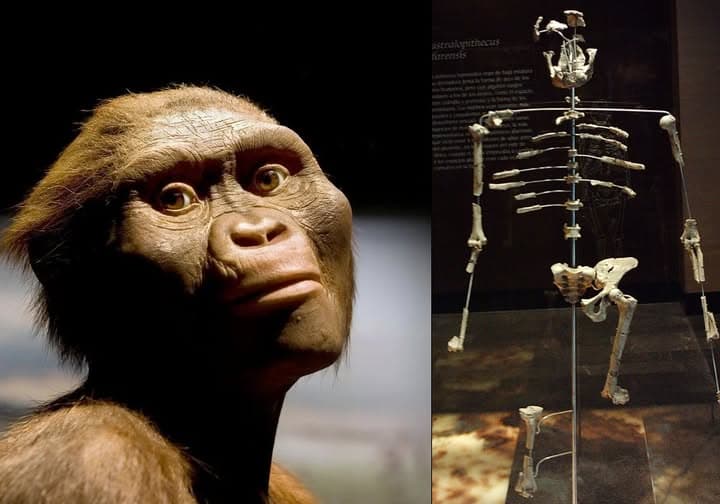
Articles from the book Science and the Origin of Man about Lucy
One of the most famous fossils of the southern apes known to date is the Lucy fossil because it is one of the most complete fossils of all hominids, and it seems to be a monkey-like creature walking on two legs and fit to be a ancestor...
3 minutes
 Sciences
Human scale: Between masses of atoms and masses of stars
We are made up of a number of atoms between (10 28) and (10 29), this (human scale) stands – numerically – halfway between the masses of atoms and the masses of stars. Filling the mass of the sun will require a number of human bodies equal to the number of atoms inside us almost ...
1 minutes
 Sciences
Self-deception is a problem of overwhelming importance in science.
The most rigorous exercise in objective observation is often a feeble defense against the desire for a specific result. The laboratory’s expectation of what it will see, and its formation of the information it records, is repeatedly...
1 minutes
 Sciences
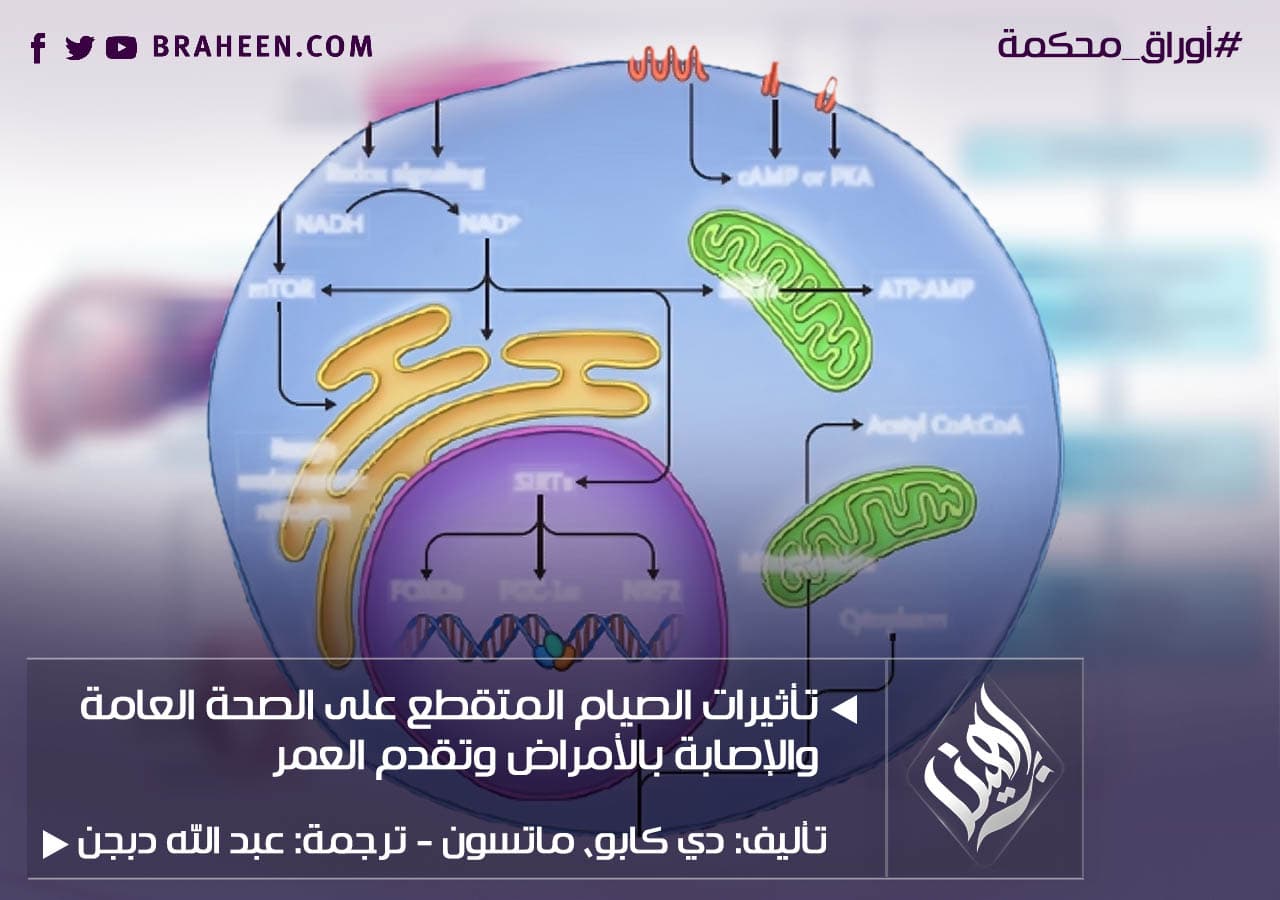
Effects of intermittent fasting on public health, morbidity and ageing
Summary: Evidence accumulates that eating in a 6-hour period and fasting for 18 hours can lead to a metabolic shift from glucose-based energy to ketone-based energy, with increased stress resistance, and increased longevity...
32 minutes